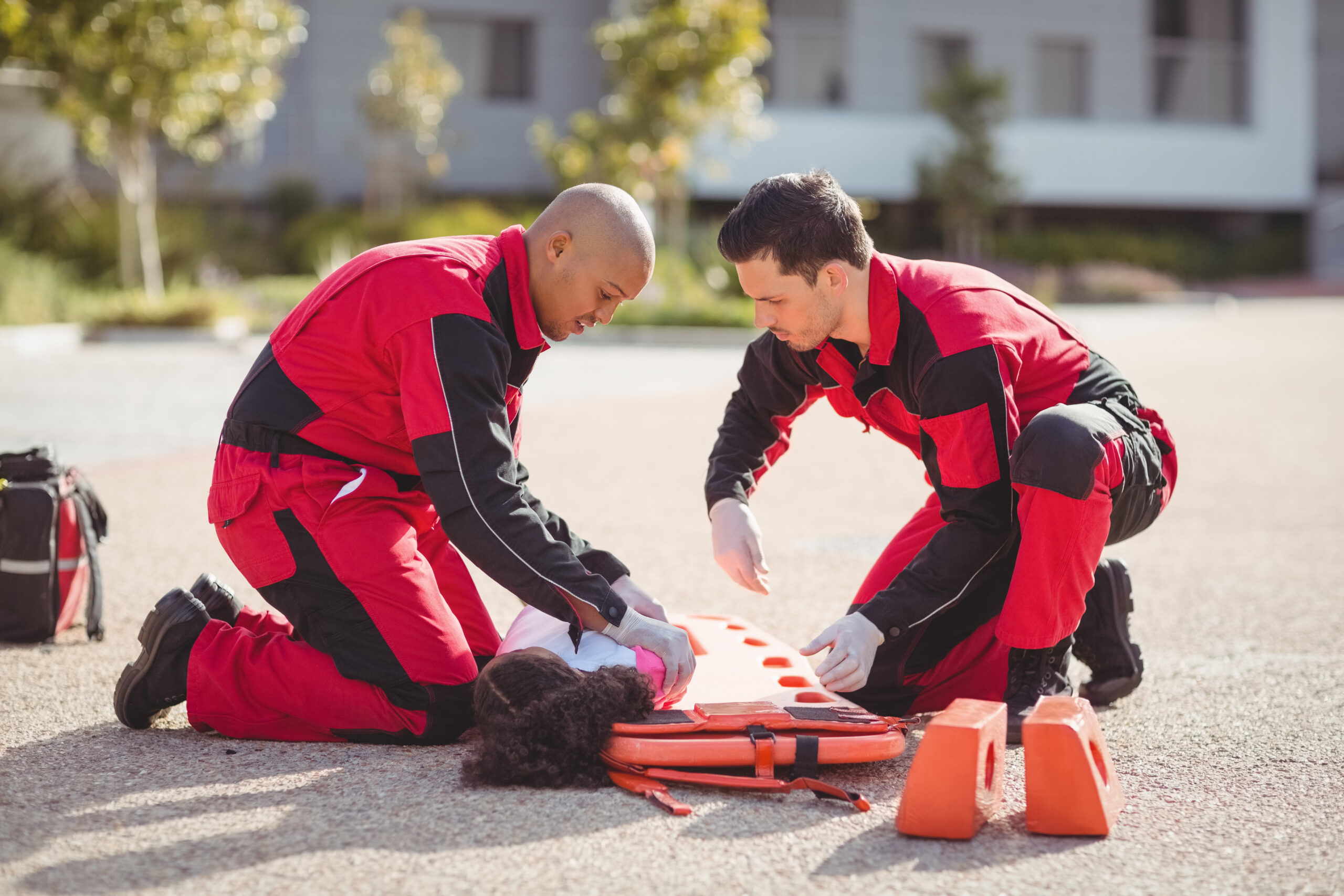
Emergencies can happen anywhere—at work, at home, on the road, or in public spaces. When lives are on the line, the ability to act quickly and confidently can determine the difference between survival and tragedy. Basic first aid offers foundational skills, but when situations become more critical, deeper knowledge and practical capability are essential. That is where Advanced First Aid Training becomes invaluable. It equips individuals with the expertise required to manage complex medical situations until professional medical help arrives.
Many medical emergencies are time-sensitive, and even a delay of a few minutes can lead to irreversible damage. For example, severe bleeding, cardiac arrest, shock, spinal injuries, burns, allergic reactions, and breathing difficulties demand immediate, skilled intervention. Without the right techniques and the confidence to apply them, bystanders may feel helpless. Advanced First Aid programs build that confidence by teaching participants how to respond under pressure, follow structured protocols, and provide life-saving care with accuracy.
Unlike standard first aid courses, advanced programs go beyond CPR and wound care. Participants learn how to use equipment such as oxygen units, defibrillators, stretchers, airway adjuncts, and advanced bandaging and immobilization tools. They gain training in identifying the signs of deteriorating conditions and understanding how medical emergencies progress. This allows responders to act proactively rather than reactively, improving patient outcomes dramatically.
Hands-on practice is a core benefit of high-level training. Realistic scenario-based learning prepares people to apply knowledge in real situations rather than relying on theory alone. Simulated trauma events help build muscle memory, teamwork, communication, and decision-making under stress—skills that cannot be mastered by reading a manual. In an emergency environment where seconds matter, training that strengthens instinctive and coordinated action becomes vital.
Who benefits most from advanced first aid skills?
While anyone can participate, certain individuals and industries find advanced training particularly crucial. Workplace safety leaders, emergency response team members, security personnel, teachers, remote area workers, coaches, fitness instructors, and community volunteers are often first to respond before emergency services arrive. In remote or regional locations where ambulance arrival times can be significantly longer, having someone trained to deliver advanced care can be life-saving.
Employers also benefit from having highly trained staff. A strong safety culture improves workplace wellbeing, reduces accidents, lowers risk-related costs, and strengthens legal compliance. It also improves employee morale, showing that organizations value human safety and community responsibility. In many industries—such as construction, mining, logistics, manufacturing, aged care, and childcare—occupational health and safety requirements encourage or mandate higher-level first aid credentials.
One organization dedicated to delivering high-quality training programs in this area is Growth Training Group, which provides nationally recognized courses designed to develop practical, real-world emergency response skills. Their instructors typically bring hands-on experience from medical, emergency service, and rescue backgrounds, creating a learning environment grounded in accuracy and realism. This ensures participants leave with the confidence to perform essential life-saving tasks when the unexpected occurs.
Learning advanced techniques also helps individuals remain calm in stressful situations. Fear, panic, and uncertainty often cause bystanders to freeze or make unsafe decisions. Structured training reduces hesitation and supports clear, rational action. Knowing what to do and when to do it gives responders control in moments when others may be overwhelmed. For victims, having someone calm and skilled by their side provides reassurance and improves their chance of recovery.
Additionally, Top Advanced First Aid Training encourages awareness and prevention. Participants become more alert to hazards, potential risks, and early warning signs of medical distress. This knowledge supports safer environments, reduces incident frequency, and strengthens preparedness. In family settings, advanced skills allow parents, guardians, and caregivers to protect children, elderly individuals, and people with medical vulnerabilities more effectively.
Another significant advantage is the ability to work cohesively with professional paramedics and emergency teams. Trained responders know how to hand over patient details accurately, support ongoing care, and follow proper safety and communication procedures. Coordinated teamwork can dramatically reduce critical delays.