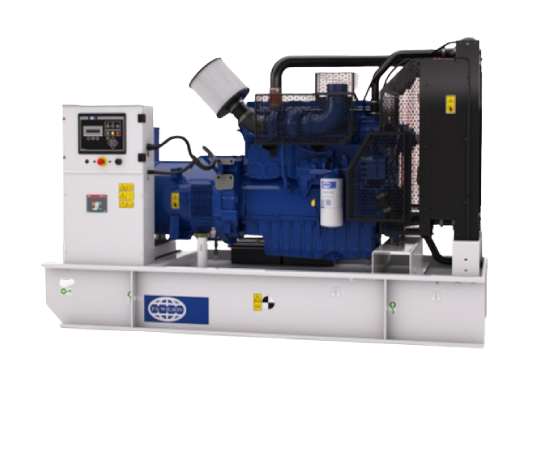
Modern commercial buildings in the UAE are designed for efficiency, scale, and constant activity. Offices, malls, hospitals, hotels, data centers, and mixed-use developments depend on uninterrupted electricity to function smoothly. Lighting, elevators, HVAC systems, security networks, IT infrastructure, and life-safety systems all rely on stable power.
While the UAE has a highly developed power grid, outages can still occur due to maintenance work, extreme weather, technical faults, or unexpected demand spikes. Even short interruptions can lead to operational disruption, financial losses, safety risks, and reputational damage. This is why backup power planning is not a luxury but a necessity for commercial buildings.
Forward-thinking property owners and facility managers understand that reliable backup systems are a critical part of building resilience. With guidance from experienced generators suppliers in uae, commercial buildings can maintain continuity, protect occupants, and meet regulatory requirements even during power disruptions.
Understanding Backup Power Planning
Backup power planning involves more than simply installing a generator. It is a strategic process that ensures essential systems continue operating during outages.
What Backup Power Really Means
Backup power refers to alternative energy sources that automatically or manually supply electricity when the main grid fails. These systems are designed to support critical loads until normal power is restored.
Planning Versus Reactive Decisions
Without proper planning, buildings often rely on undersized or poorly maintained backup systems. A planned approach ensures the right capacity, correct installation, and seamless operation when power loss occurs.
Why Power Interruptions Are a Serious Risk
Many commercial building operators underestimate the impact of power outages until they experience one.
Financial and Operational Losses
Even brief power disruptions can halt business operations. Retail spaces lose sales, offices lose productivity, and data-driven businesses risk system crashes or data loss.
Safety and Security Concerns
Power failures affect fire alarms, access control, CCTV systems, and emergency lighting. In high-occupancy buildings, this creates safety risks for occupants and visitors.
Reputation and Tenant Confidence
Tenants expect reliability. Frequent or prolonged outages can damage trust, lead to complaints, or even cause tenants to relocate to better-prepared facilities.
The UAE Commercial Environment and Power Demand
The UAE’s commercial sector operates under unique conditions that increase reliance on uninterrupted power.
Climate-Driven Energy Dependence
High temperatures mean air conditioning is essential year-round. A power outage in summer can quickly make indoor environments unsafe or uncomfortable.
High-Tech Building Systems
Smart building technologies, automated management systems, and digital infrastructure increase dependence on consistent electricity supply.
Mixed-Use Developments
Many UAE buildings combine offices, retail, hospitality, and residential spaces. Power failures affect multiple user groups simultaneously, amplifying disruption.
Regulatory and Compliance Considerations
Backup power planning is often a compliance requirement rather than an optional feature.
Local Authority Requirements
Authorities mandate emergency power systems for certain building types, particularly hospitals, high-rise buildings, and public facilities.
Life Safety Systems
Emergency lighting, fire suppression systems, and evacuation equipment must remain operational during outages to meet safety standards.
Insurance and Risk Management
Insurance providers may require documented backup power strategies as part of risk assessment and coverage agreements.
Key Components of an Effective Backup Power Strategy
A well-designed backup power plan covers both technical and operational aspects.
Load Assessment and Prioritization
Not all systems need backup power. Identifying critical loads such as elevators, data systems, emergency lighting, and HVAC ensures efficient use of backup capacity.
Generator Selection and Capacity
Choosing the right generator size prevents overloads and ensures stable performance during extended outages.
Automatic Transfer Systems
Automatic switching minimizes downtime by transferring power seamlessly when the grid fails.
The Role of Professional Generator Expertise
Backup power planning benefits greatly from experienced technical partners.
Tailored Solutions for Building Needs
Every commercial building has unique power demands. Professionals assess usage patterns, building layout, and future expansion plans.
Installation and Integration
Proper installation ensures compatibility with existing electrical systems and avoids operational conflicts.
Long-Term Support and Maintenance
Regular testing and maintenance ensure systems remain reliable when needed most.
Working with trusted generators suppliers in uae helps commercial buildings avoid common mistakes such as undersizing equipment or overlooking compliance requirements.
Generator Types Used in Commercial Buildings
Different generator types serve different operational needs.
Standby Generators
These systems activate automatically during outages and are ideal for permanent backup power in commercial buildings.
Prime Power Systems
Used where grid power is unreliable or unavailable, these generators support continuous operation.
Hybrid and Load-Sharing Solutions
Advanced setups allow generators to work alongside other energy sources, improving efficiency and reducing fuel consumption.
Cost Considerations and Long-Term Value
Backup power systems represent an investment, but one that delivers measurable returns.
Upfront Costs Versus Downtime Losses
The cost of installing backup systems is often far lower than the financial impact of repeated outages.
Operational Efficiency
Modern generators are designed for fuel efficiency, reducing long-term operational expenses.
Asset Protection
Backup power protects sensitive equipment, IT systems, and building infrastructure from damage caused by sudden power loss.
Maintenance and Testing Importance
A backup system is only effective if it works when needed.
Routine Testing
Regular testing ensures generators start correctly, transfer loads smoothly, and maintain stable output.
Preventive Maintenance
Scheduled servicing reduces wear, prevents failures, and extends equipment lifespan.
Documentation and Reporting
Maintenance records support compliance, audits, and insurance requirements.
Backup Power for Different Commercial Sectors
Different industries face different risks and priorities.
Office Buildings
Power continuity supports productivity, IT systems, and employee comfort.
Retail and Shopping Centers
Backup power maintains lighting, payment systems, refrigeration, and customer safety.
Hospitality and Healthcare
Hotels and hospitals depend on uninterrupted power for guest comfort, medical equipment, and emergency care.
Data Centers and Technology Hubs
Even milliseconds of downtime can result in data loss and financial penalties.
Planning for Scalability and Future Growth
Commercial buildings evolve over time, and backup systems should adapt accordingly.
Anticipating Increased Load
Future tenants, expansions, or new technologies increase power demand.
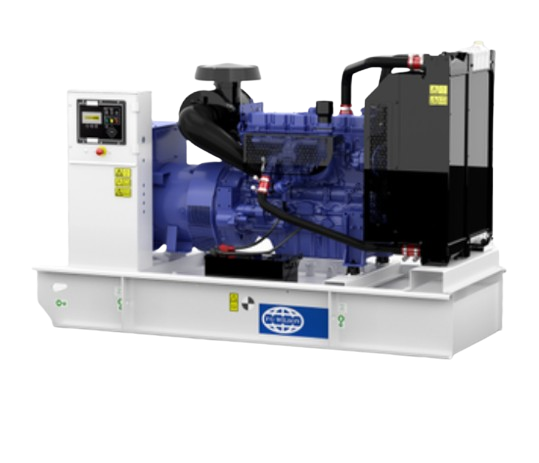
Modular Generator Systems
Scalable systems allow capacity upgrades without replacing entire installations.
Sustainability Considerations
Modern planning often includes energy-efficient and lower-emission solutions aligned with UAE sustainability goals.
Common Mistakes in Backup Power Planning
Avoiding common errors improves reliability and return on investment.
Undersized Systems
Insufficient capacity leads to overloads and system failures during outages.
Poor Maintenance Practices
Neglecting maintenance renders backup systems unreliable.
Lack of Professional Guidance
Improper planning can result in non-compliance and operational inefficiencies.
The Business Case for Proactive Backup Power Planning
Backup power is not just about emergencies; it supports overall business continuity.
Protecting Revenue Streams
Continuous operations prevent financial losses during unexpected outages.
Enhancing Building Value
Well-equipped buildings attract high-quality tenants and command better market positioning.
Supporting Operational Confidence
Tenants and stakeholders gain peace of mind knowing systems are reliable.
Also Read this : 8 Benefits of Using Lightweight Mirror Alternatives in Dubai Projects
Conclusion
Backup power planning plays a vital role in ensuring the safety, efficiency, and resilience of UAE commercial buildings. With high energy demands, advanced building systems, and strict compliance requirements, relying solely on grid power is no longer sufficient.
A well-designed backup power strategy protects businesses from downtime, safeguards occupants, and preserves long-term asset value. By investing in proper planning, professional installation, and ongoing maintenance, commercial buildings can operate confidently under all conditions. In the UAE’s fast-paced commercial landscape, backup power planning is not just preparation for emergencies—it is a foundation for sustainable success.