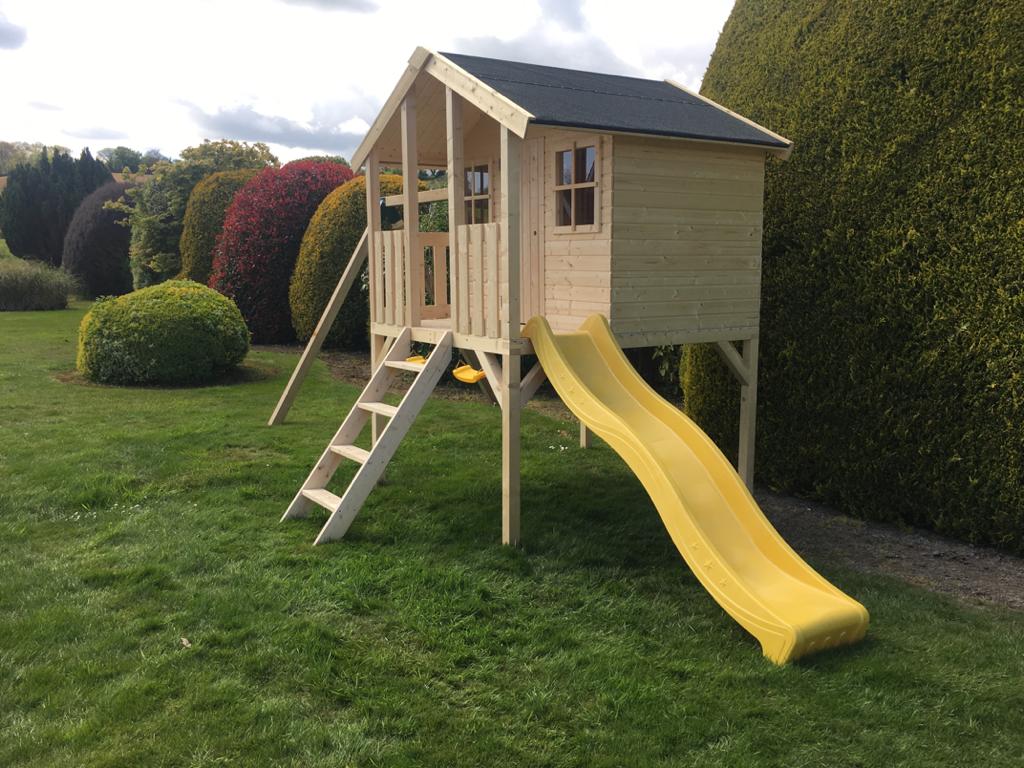
Gardens are carefully curated environments blending aesthetics, ecology, and personal expression into cohesive outdoor spaces. Within these landscapes, certain decorative elements unexpectedly become magnets for pollinating insects seeking resources. Homeowners often wonder why ornamental pieces attract more activity than surrounding vegetation. The answer lies in biology, environmental cues, and subtle design characteristics that mirror natural habitats. Understanding these factors helps gardeners balance beauty with responsible environmental stewardship. By examining behavior patterns and environmental triggers, we can better interpret these recurring garden interactions.
Color plays a decisive role in how insects identify potential nectar sources within complex landscapes. Many decorative garden elements incorporate hues that closely resemble flowering plants rich in nectar. Bright yellows, blues, and ultraviolet-reflective surfaces signal nourishment even when no nectar exists. Because bees perceive ultraviolet patterns invisible to humans, certain paints or glazes intensify attraction. Reflective finishes on ornaments can amplify light in ways similar to fresh blossoms. Consequently, purely decorative pieces sometimes mimic biological signals unintentionally.
Scent is another subtle yet powerful attractant influencing insect movement throughout residential gardens. Materials such as treated wood, resin, or floral-scented sealants may release odors resembling nectar cues. Although faint to human perception, these compounds can trigger exploratory behavior in nearby pollinators. Wind currents further disperse these scents, extending their range across the yard. Even soil moisture trapped beneath decorative bases can produce organic aromas resembling plant life. Therefore, scent and color operate together, shaping how bees interpret nonliving objects.
Microclimates Created by Garden Structures
Garden decorations often alter airflow, shade distribution, and temperature gradients across confined spaces. These microclimates inadvertently create comfortable resting or scouting zones for insects. Stone statues absorb sunlight during the day and release warmth gradually during evening hours. Such warmth provides temporary refuge during cooler transitions between daylight and nightfall. Likewise, hollow decorative features offer shelter from wind or predators. Bees instinctively assess these sheltered environments for potential nesting suitability.
Water features integrated into decorative displays further enhance attraction dynamics. Shallow basins, birdbaths, and sculptural fountains supply hydration critical for colony survival. Even small amounts of standing water can draw repeated visits during warmer seasons. Reflective water surfaces may visually resemble nectar-rich blossoms under direct sunlight. Moreover, mineral traces within decorative stones sometimes enrich water sources. These conditions collectively increase the probability of sustained activity near ornamental zones.
Additionally, porous materials within certain installations provide footholds for temporary clustering behavior. Wood lattice panels, ceramic planters, and woven accents create textured resting surfaces. During swarming events, exploratory groups evaluate stable platforms before selecting permanent sites. Although such pauses are typically temporary, they may concern uninformed homeowners. Understanding this temporary behavior prevents unnecessary panic and promotes measured responses. Awareness fosters coexistence rather than reactive removal measures.
Seasonal Patterns and Behavioral Cycles
Seasonal fluctuations significantly influence how long pollinators remain near decorative areas. During early spring, swarming behavior increases as colonies divide and expand populations. A newly formed bee colony may rest temporarily on accessible structures while scouts search for cavities. These pauses often last from several hours to several days depending on environmental stability. Warm temperatures and abundant floral resources reduce urgency in relocation decisions. Consequently, ornamental structures sometimes become interim gathering points during this transitional phase.
As summer progresses, established colonies prioritize proximity to consistent nectar supplies. If surrounding gardens provide sustained flowering plants, visits may remain frequent but brief. Decorations mimicking blossoms may continue attracting investigative activity throughout peak foraging months. However, once autumn approaches and floral availability declines, patterns shift noticeably. Cooler weather reduces overall flight activity and exploratory movement across landscapes. Therefore, perceived infestations may actually align with predictable seasonal biology.
Human observation often misinterprets temporary clustering as permanent nesting establishment. In reality, a bee colony requires protected cavities offering insulation and structural support. Decorative trellises or statues rarely meet these long-term architectural needs. Nonetheless, repeated returns can occur if visual cues remain compelling. Consequently, minor modifications to color intensity or surface reflectivity may reduce attraction gradually. Small design adjustments often produce meaningful behavioral changes without disrupting ecological balance.
Managing Attraction Without Harming Bees
Gardeners seeking preventative strategies should first evaluate decorative placement relative to flowering beds. Positioning highly reflective ornaments away from dense nectar sources reduces visual confusion. Muted finishes rather than high-gloss coatings diminish ultraviolet reflectivity. Additionally, selecting neutral tones less reminiscent of blossoms can reduce investigative hovering. These adjustments maintain aesthetic integrity while minimizing unintended attraction.
Regular maintenance further decreases the likelihood of prolonged clustering behavior. Cleaning surfaces removes accumulated pollen residues that might signal resource availability. Sealing small crevices prevents potential nesting within hollow decorative features. Moreover, ensuring water features circulate consistently discourages stagnation that may attract repeated visits. Thoughtful landscaping supports harmony between design preferences and ecological awareness.
In situations where persistent clustering occurs near living spaces, professional consultation becomes prudent. A humane approach prioritizes safe relocation rather than extermination. Residents in urban California neighborhoods often consult a trusted bee removal service in Burbank, LA when decorative structures become repeated gathering points. Such specialists assess environmental factors and guide nonlethal adjustments tailored to each property. Collaboration ensures both safety and environmental responsibility remain central objectives.
It is important to recognize that bees contribute significantly to pollination and ecosystem stability. Eliminating attraction entirely may neither be feasible nor environmentally desirable. Instead, balanced management strategies acknowledge their ecological value while addressing household comfort. Strategic planting of alternative nectar sources farther from seating areas can redirect activity constructively. Over time, insects adapt to more rewarding floral options and reduce interest in inanimate decorations.
Designing Gardens That Balance Beauty and Ecology
Thoughtful design integrates aesthetics with biological awareness from the initial planning stage. Selecting materials that do not mimic ultraviolet floral patterns limits unintentional signals. Incorporating natural hedges between decorative zones and living areas creates spatial buffers. Furthermore, diversifying plant species distributes activity more evenly throughout the garden. This approach prevents concentrated clustering around single visual focal points.
Education remains a powerful tool for reducing unnecessary fear surrounding pollinator presence. Observing flight patterns calmly often reveals whether activity represents foraging or nesting behavior. A temporary cluster on a sculpture rarely signifies permanent habitation. Patience during swarming season frequently resolves concerns without intervention. Knowledge transforms reactive anxiety into informed decision making.
Moreover, sustainable gardening encourages coexistence rather than adversarial responses to wildlife interactions. Native plant integration supports predictable foraging routes, reducing reliance on artificial cues. Strategic lighting adjustments can also limit nighttime attraction to reflective surfaces. Over time, subtle environmental recalibration reshapes how pollinators navigate decorative landscapes. This method respects both ecological processes and personal design preferences.
Ultimately, attraction to garden decorations stems from evolutionary instincts rather than intentional intrusion. Colors, shapes, scents, and microclimates collectively influence behavioral decisions within complex environments. When homeowners understand these variables, prevention strategies become logical and measured. Rather than viewing bees as unwelcome invaders, gardeners can reinterpret their presence as ecological feedback. Through informed adjustments, outdoor spaces remain visually compelling while supporting broader environmental health.