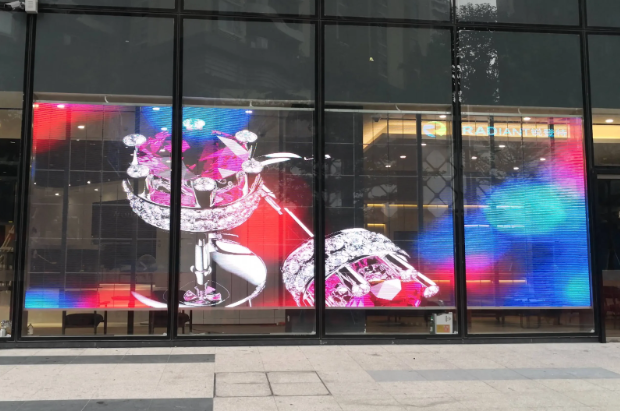
In today’s competitive marketplace, businesses constantly seek innovative ways to capture attention without disrupting customer experience. Digital signage has evolved beyond static displays into immersive visual tools that merge technology with design. Among these innovations, transparent digital screens for advertising have emerged as a strategic investment for brands that want to communicate messages while preserving visibility and openness. These screens allow businesses to deliver high-impact content layered over real-world environments, creating a futuristic and premium appeal. From retail storefronts to corporate lobbies, companies are increasingly leveraging this technology to stand out, enhance storytelling, and maximise the value of their physical spaces.
The Evolution of Digital Advertising Displays
Digital advertising has progressed rapidly over the last decade, shifting from simple LED boards to dynamic, interactive systems. Modern solutions overcome these issues by integrating digital content directly into glass and transparent surfaces, allowing brands to communicate without visual clutter. In this context, transparent digital screens for advertising enable businesses to modernise their messaging while maintaining architectural aesthetics. This evolution reflects a broader trend toward smarter, more adaptable advertising formats that blend seamlessly into the built environment rather than competing with it.
Enhanced Customer Engagement and Experience
One of the primary reasons businesses invest in advanced display technology is its ability to capture and retain attention. Transparent displays create a layered visual effect that feels novel and immersive, encouraging viewers to pause and engage. When used thoughtfully, transparent digital screens for advertising support storytelling by combining motion graphics with real products or environments behind the screen. This approach enhances memorability and emotional connection, which are critical factors in influencing purchasing decisions.
Space Optimisation and Design Flexibility
Physical space is a premium asset, particularly in retail, hospitality, and corporate environments. Conventional signage often requires dedicated areas that may disrupt layout or block natural light. By contrast, transparent digital screens for advertising enable the use of windows, glass walls, and partitions as communication platforms. This flexibility allows businesses to maintain open, welcoming spaces while still delivering impactful promotional content. Designers and architects also appreciate the freedom to integrate branding into structural elements, ensuring that advertising complements rather than compromises the overall environment.
Strong Brand Differentiation and Innovation Perception
In crowded markets, differentiation is essential. Companies that adopt cutting-edge visual technology are often perceived as forward-thinking and innovative. The use of transparent digital screens for advertising signals a commitment to modernity and quality, helping brands position themselves as industry leaders. This perception can be particularly valuable for premium retailers and real estate developers seeking to attract discerning customers or tenants.
Long-Term Cost Efficiency and ROI
While the initial investment in advanced digital displays may appear significant, the long-term financial benefits are compelling. These screens reduce the need for frequent physical signage changes, lowering printing and installation costs over time. Additionally, transparent digital screens for advertising support real-time content updates, enabling businesses to respond quickly to campaigns, seasons, or inventory changes.
Versatility Across Industries
The appeal of transparent displays extends across multiple sectors. Retailers use them to showcase promotions without obscuring merchandise, while automotive showrooms highlight vehicles with layered digital storytelling. Corporate offices employ them for branding and wayfinding, and museums use them for educational overlays. In each case, transparent digital screens for advertising adapt to different objectives while maintaining a consistent visual impact. This versatility makes them a valuable asset to businesses seeking, future-ready advertising solutions.
Conclusion
As brands compete for attention in increasingly sophisticated environments, investing in innovative display solutions becomes a strategic necessity. Transparent digital technology offers a unique combination of visibility, engagement, and design integration that traditional formats cannot match. When paired thoughtfully with other mobile and outdoor solutions, including LED billboard trailer deployments, businesses can create cohesive, high-impact advertising ecosystems that reach audiences across multiple touchpoints while reinforcing a modern, premium brand image.