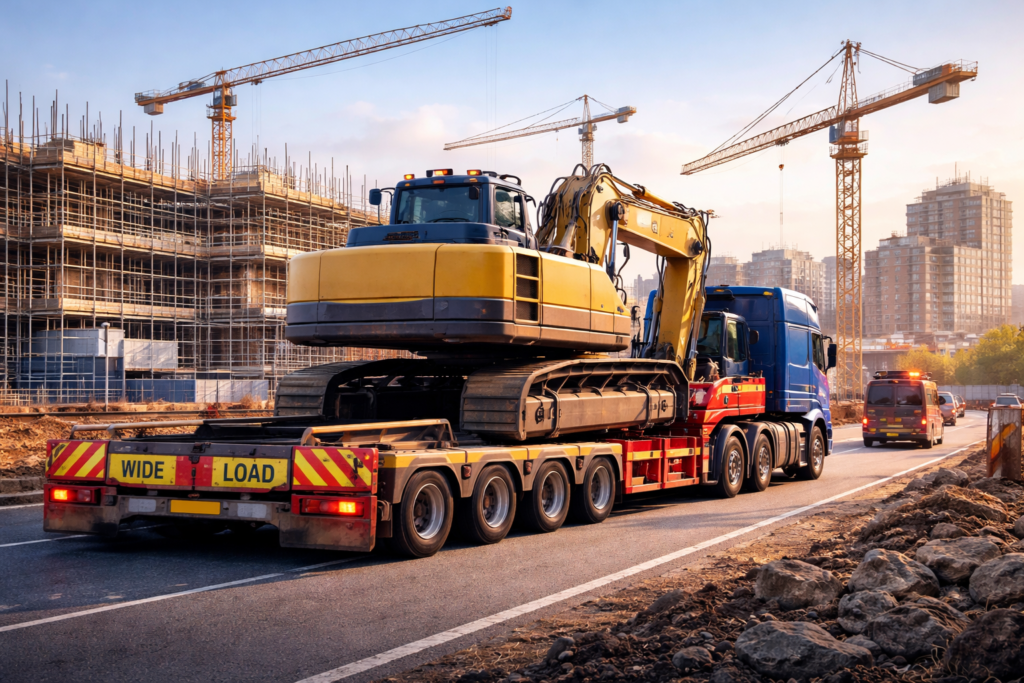
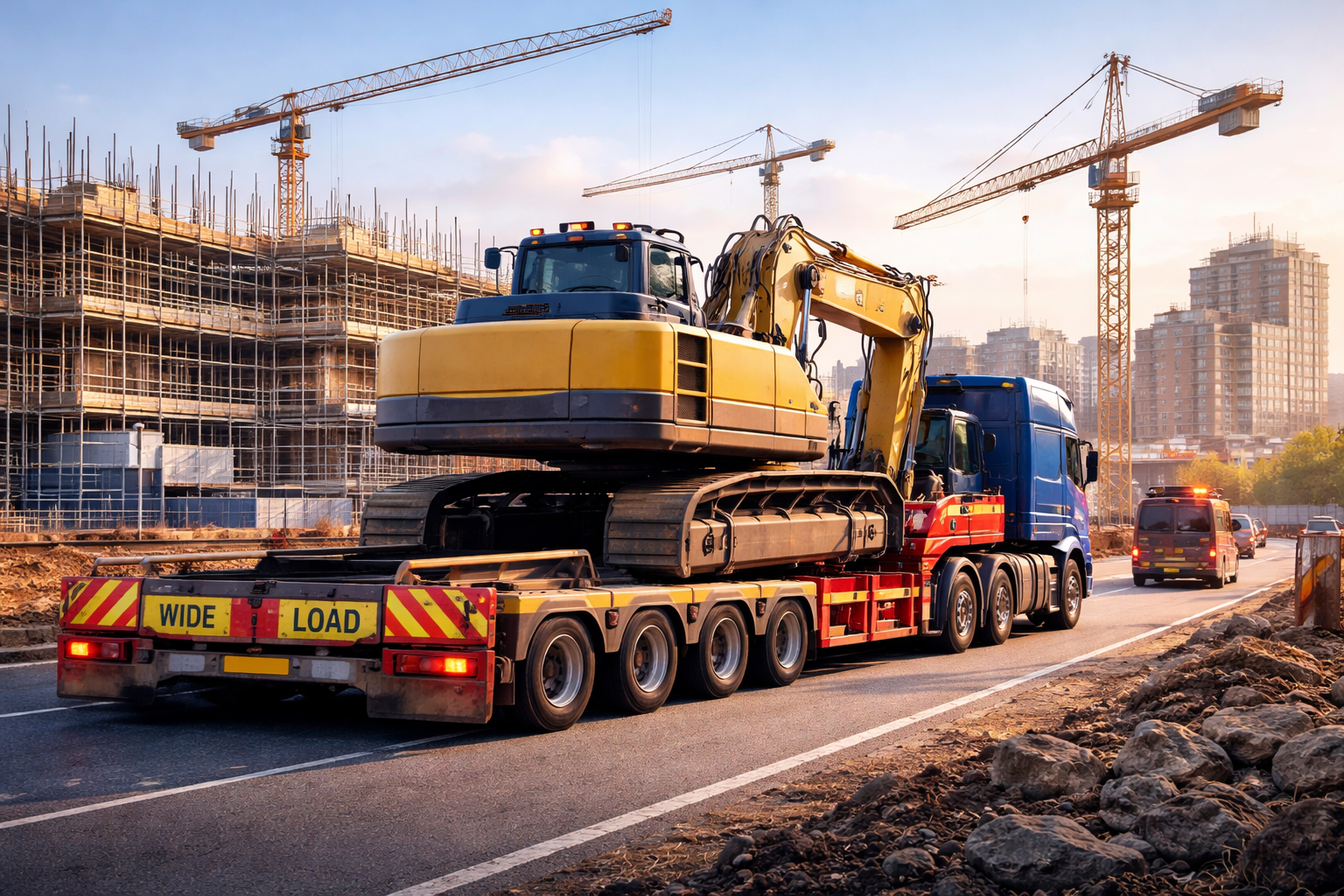
The UK construction industry is a complex ecosystem built on tight schedules, strict regulations, and high-value assets. From large-scale infrastructure schemes and commercial developments to renewable energy projects and urban regeneration, one factor remains constant: the need to move oversized, heavy, and high-risk loads safely and efficiently. This is where heavy haulage services become not just useful—but absolutely essential.
With over two decades of experience in content writing for industrial and logistics sectors, one truth stands out clearly: construction projects that invest in professional heavy haulage partners gain a strategic advantage in cost control, compliance, safety, and project speed. Let’s explore why heavy haulage is a backbone of modern UK construction and how it supports the industry from planning to project completion.
Understanding Heavy Haulage in the UK Construction Sector
Heavy haulage refers to the specialist transportation of abnormal loads that exceed standard road limits in size, weight, or shape. These include:
-
Precast concrete beams
-
Tower crane components
-
Modular building units
-
Steel structures
-
Earthmoving machinery
-
Wind turbine parts
Unlike standard freight, these loads require specialist trailers, escort vehicles, route planning, and permits. In the UK, where road networks are dense and urban environments are common, moving abnormal loads safely is a highly technical operation.
Keeping Major Projects on Schedule
Time is money in construction. Delays in equipment or material delivery can halt work on-site, disrupt subcontractors, and inflate budgets. Heavy haulage services help prevent these issues through:
Precise Delivery Coordination
Specialist haulage teams align transport schedules with site readiness. This ensures equipment arrives exactly when required, reducing idle time and unnecessary storage costs.
Night and Off-Peak Transport
Many abnormal loads are transported during off-peak hours to avoid traffic congestion. This approach allows smoother movement across motorways and city centres while minimising public disruption.
Efficient Load Sequencing
For large projects involving multiple components, haulage providers plan delivery sequences so materials arrive in the correct order, keeping site operations flowing smoothly.
Supporting Large-Scale Infrastructure Development
The UK is continuously investing in infrastructure such as:
-
Rail and motorway upgrades
-
Bridges and tunnels
-
Energy facilities
-
Commercial hubs
-
Housing developments
These projects depend heavily on transporting massive components that cannot be dismantled easily. Heavy haulage services make it possible to move prefabricated structures and oversized machinery directly to site, reducing on-site assembly time and improving construction accuracy.
This approach is especially valuable for modular construction, which is becoming more popular across the UK. Entire building sections can be manufactured off-site and delivered intact, speeding up project timelines and improving quality control.
Navigating Complex UK Regulations
The UK has strict regulations for abnormal load transport. Construction companies that attempt to manage this internally often face delays, fines, or compliance risks.
Professional heavy haulage providers handle:
-
Permit applications
-
Local authority coordination
-
Police notifications when required
-
Route surveys and bridge assessments
-
Weight and height compliance checks
This regulatory expertise ensures that every move meets legal requirements while avoiding unexpected obstacles such as low bridges, weak road surfaces, or restricted access zones.
Enhancing Site Safety and Risk Management
Construction sites already involve significant risk. Introducing oversized loads without specialist handling can increase hazards dramatically.
Heavy haulage services improve safety by providing:
Trained Specialist Drivers
Drivers are experienced in handling long, wide, and heavy loads across narrow roads and busy urban areas.
Purpose-Built Equipment
Low loaders, step-frame trailers, extendable trailers, and hydraulic axle systems help distribute weight evenly and maintain stability during transport.
Escort and Traffic Management
Pilot vehicles and route escorts ensure public safety while guiding large convoys through challenging road conditions.
By reducing the risk of accidents, damage, and downtime, professional haulage contributes directly to safer project environments.
Reducing Hidden Project Costs
While some contractors view heavy haulage as a premium service, the long-term cost savings are significant.
Avoiding Equipment Damage
Improper transport can lead to costly damage to high-value machinery or prefabricated materials. Specialist handling protects these assets.
Minimising Rework
Accurate delivery of intact components reduces the need for on-site modifications or reassembly.
Preventing Fines and Delays
Regulatory violations and unplanned route issues can create expensive setbacks. Expert planning avoids these pitfalls.
When viewed strategically, heavy haulage becomes an investment that protects budgets rather than an expense that inflates them.
Enabling Sustainable Construction Practices
Sustainability is becoming a priority across the UK construction industry. Heavy haulage services now play an important role in supporting greener operations.
Optimised Route Planning
Advanced logistics software allows transport providers to select fuel-efficient routes that reduce emissions.
Fewer Trips Through Modular Delivery
Transporting larger prefabricated sections in fewer journeys cuts down overall fuel usage.
Modern Low-Emission Fleets
Many haulage companies now operate newer vehicles that meet stricter environmental standards, helping construction firms reduce their carbon footprint.
By partnering with environmentally conscious transport providers, construction companies can align logistics operations with sustainability goals.
Solving Urban Construction Challenges
Urban construction presents unique difficulties: limited space, tight access routes, heavy traffic, and strict noise regulations.
Heavy haulage specialists overcome these challenges by:
-
Conducting site access surveys
-
Planning tight-turn manoeuvres
-
Scheduling early morning or overnight deliveries
-
Using compact specialist trailers
-
Coordinating with local councils
This level of planning ensures that even the most complex city-centre projects remain operational without causing disruption to surrounding communities.
Strengthening Project Collaboration
Successful construction projects rely on seamless collaboration between contractors, engineers, suppliers, and logistics teams. Heavy haulage providers often become an extension of the project management team.
They offer:
-
Pre-construction transport consultations
-
Engineering input for load distribution
-
Real-time tracking updates
-
On-site delivery coordination
This collaborative approach improves communication, reduces misunderstandings, and keeps everyone aligned toward project milestones.
Preparing for the Future of UK Construction
As the UK construction sector continues to evolve, the demand for specialist logistics will only increase. Trends such as:
-
Renewable energy installations
-
Smart infrastructure development
-
Off-site manufacturing growth
-
Larger prefabricated components
will make heavy haulage services even more essential.
Companies that integrate professional transport planning early in project development will be better positioned to compete, scale, and deliver projects efficiently.
Final Thoughts
Heavy haulage services are not just a logistical necessity—they are a strategic pillar of successful UK construction projects. From maintaining strict timelines and ensuring regulatory compliance to improving safety and supporting sustainability, specialist haulage plays a vital role at every stage of development.
In today’s high-pressure construction environment, where deadlines are tight and margins are thin, relying on experienced heavy haulage professionals is one of the smartest decisions a project team can make. When done right, heavy haulage doesn’t just move materials—it moves projects forward.