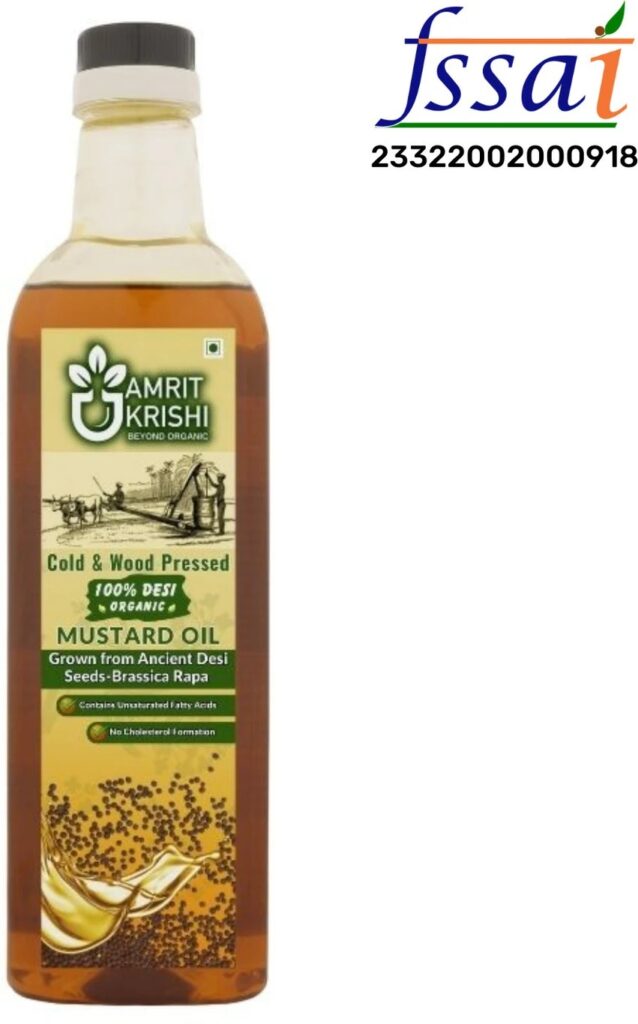
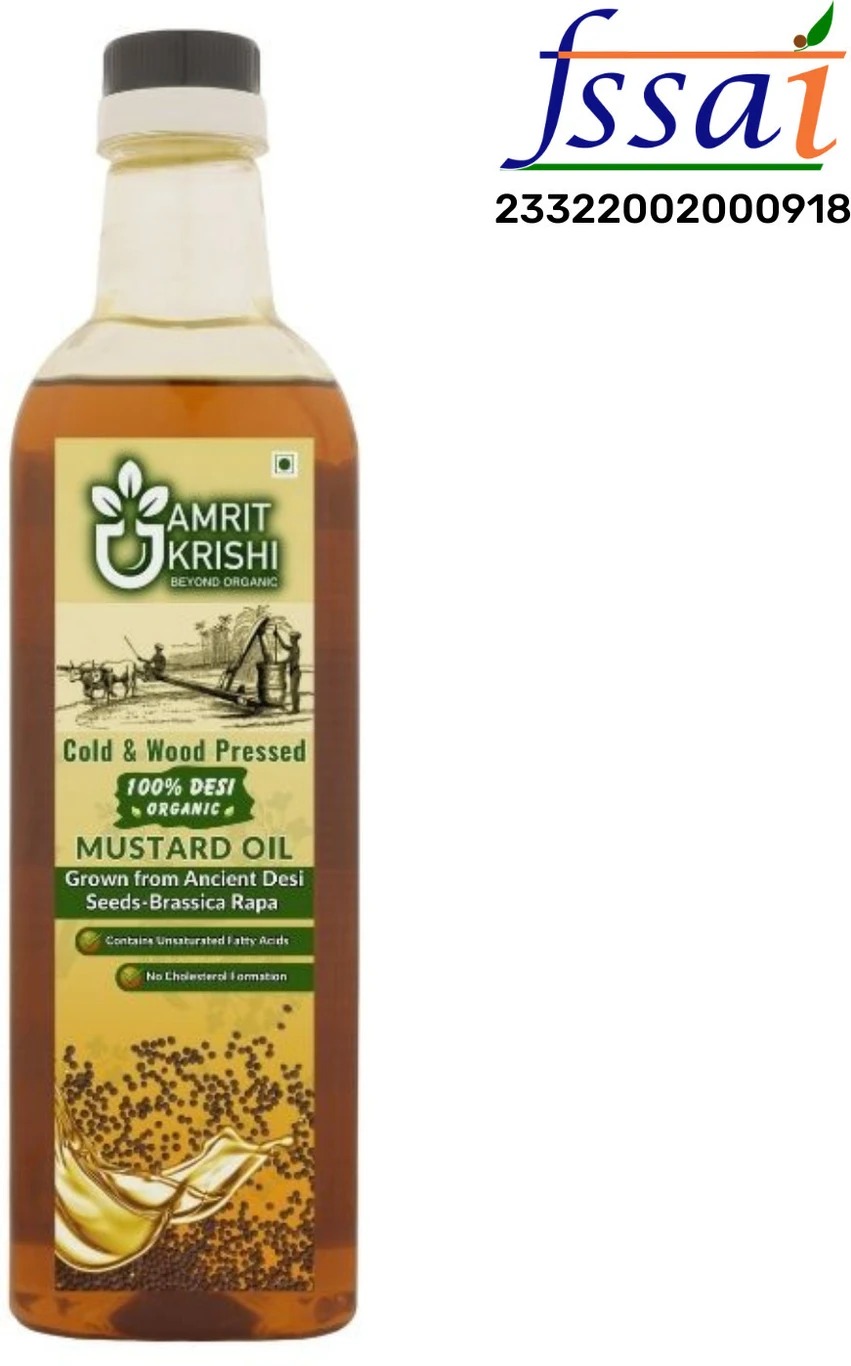
Across India, families are rediscovering the value of age-old culinary traditions, and one ingredient leading this revival is Desi Mustard Oil. Once a staple in countless homes, this golden, aromatic oil had gradually fallen out of favor due to the rise of refined and processed alternatives. But today, with a growing awareness of natural nutrition, chemical-free cooking, and heritage ingredients, traditional oils are making a powerful comeback. Indian kitchens are returning to pure, unrefined oils not only for their taste but also for their remarkable health benefits—benefits that modern science now confirms.
For generations, mustard oil has held an important place in Indian cooking, especially in northern, eastern, and rural households. It was prized for its rich flavor, high smoke point, and therapeutic qualities. As refined oils emerged, many families switched to them believing they were lighter and healthier. However, scientific studies now show that refined oils often lose nutrients during processing and may contain chemical residues. This shift in understanding has encouraged people to look back toward traditional cooking oils that are extracted naturally and retain their wholesome nutrients.
Mustard oil is one of the most nutritionally valuable oils used in Indian cuisine. Its unique composition makes it stand out among commonly used oils. Research shows that mustard oil contains nearly 60% monounsaturated fatty acids (MUFA), 21% polyunsaturated fatty acids (PUFA), and a low percentage of saturated fats. MUFAs support heart health by improving cholesterol balance, while PUFAs help in regulating blood sugar, joint health, and overall cell function. This balanced fat profile makes mustard oil comparable to globally recognized heart-friendly oils such as olive oil.
Another key benefit of mustard oil lies in its omega fatty acid profile. It is naturally rich in omega-3 and omega-6 fatty acids, which play a vital role in brain development, nerve function, and hormonal balance. In today’s fast-paced lifestyle, where stress, nutritional deficiencies, and lifestyle disorders are common, consuming oils with essential fatty acids has become increasingly important. Unlike many refined oils stripped of their natural components, mustard oil maintains these beneficial fatty acids through traditional cold-press extraction.
One of the reasons traditional cooking oils like mustard oil are gaining popularity again is their impressive antioxidant content. Vitamin E, present in mustard oil, acts as a natural shield against free radicals, reducing oxidative stress and slowing down signs of aging. Antioxidants also help reduce inflammation—one of the leading causes of lifestyle diseases such as heart issues and arthritis. These health advantages are prompting families to reconsider the oils they use daily and opt for natural, nutrient-dense options.
In the middle of this discussion, it is important to highlight how Desi Mustard Oil supports digestive wellness, which is a major concern for many individuals today. Mustard oil has a warming effect that stimulates digestive juices, aiding metabolism and improving appetite. It also contains natural antimicrobial properties that help protect the stomach from harmful bacteria. Many people who experience bloating, acidity, or indigestion have reported noticeable improvement after switching to traditional oils. Unlike heavily processed oils, mustard oil does not clog digestion but instead supports a smoother digestive process.
Traditional cooking oils are also being appreciated for their culinary value. Mustard oil has a naturally high smoke point, which means it does not break down or produce harmful compounds when heated. This makes it ideal for frying, sautéing, and deep cooking—techniques widely used in Indian kitchens. The distinctive aroma and pungent flavor of mustard oil enhance regional dishes such as pickles, curries, fish preparations, and stir-fried vegetables. For many Indian families, the taste of mustard oil instantly evokes cultural memories, reminding them of authentic homemade meals prepared by earlier generations.
As people prioritize clean eating, they are choosing oils that undergo minimal processing. Cold-pressed traditional oils retain their original nutrients because they are extracted without high heat or chemical solvents. This purity is especially important for growing children, elderly individuals, and those with sensitive digestive systems. Families now prefer oils that align with a natural and chemical-free lifestyle, and traditional options like mustard oil fit perfectly into this trend.
Beyond nutrition and cooking, mustard oil carries medicinal value deeply rooted in Indian culture. It has long been used as massage oil for infants and adults, helping improve blood circulation and strengthen muscles. Its warming properties are known to relieve cold symptoms and joint stiffness. Mustard oil has also been used as a natural remedy for skin and hair care. This multipurpose nature makes it an economical and practical addition to households looking for natural solutions to everyday health concerns.
Environmental sustainability is another factor driving the comeback of traditional oils. Mustard plants require minimal water and grow well in Indian soil without heavy chemicals or fertilizers. This makes mustard farming more eco-friendly compared to other commercial oil crops. As consumers become more conscious of the environmental impact of their food choices, they are choosing oils that support local farmers and sustainable agriculture. By purchasing naturally grown mustard oil, families contribute to local rural economies and help preserve indigenous crop varieties.
Indian kitchens are also influenced by a growing global movement toward whole foods and traditional diets. Nutritionists worldwide recommend replacing refined and hydrogenated oils with natural, locally sourced alternatives. Studies have shown that countries with diets rich in traditional oils tend to have lower rates of heart diseases compared to those who consume highly refined oils. This research-backed wisdom is reinforcing the value of traditional ingredients that were once dismissed as outdated.
In conclusion, the return of traditional cooking oils marks a significant shift in India’s culinary and health choices. Families are moving away from processed oils and embracing natural options that offer superior nutrition, better taste, and long-term wellness. With its rich flavor profile, balanced fatty acids, antioxidants, and digestive benefits, Desi Mustard Oil stands at the center of this positive transformation. As Indian households continue to prioritize natural, authentic, and nutrient-rich foods, traditional oils like mustard are once again becoming a trusted part of everyday cooking—and this comeback is stronger than ever.