Modern vehicles rely on advanced driver assistance systems that require precise alignment to function correctly. Basic electronic resets often remove warning lights but fail to verify sensor accuracy or system coordination. Professional calibration ensures that all radar, camera, and lidar sensors operate in harmony with the vehicle’s original design. ADAS calibration services professionals restore system accuracy, improving safety performance and driver confidence. Choosing expert calibration guarantees that advanced features such as lane departure alerts, automatic braking, and adaptive cruise control function reliably after repairs, replacements, or structural adjustments.
The Role of Precision
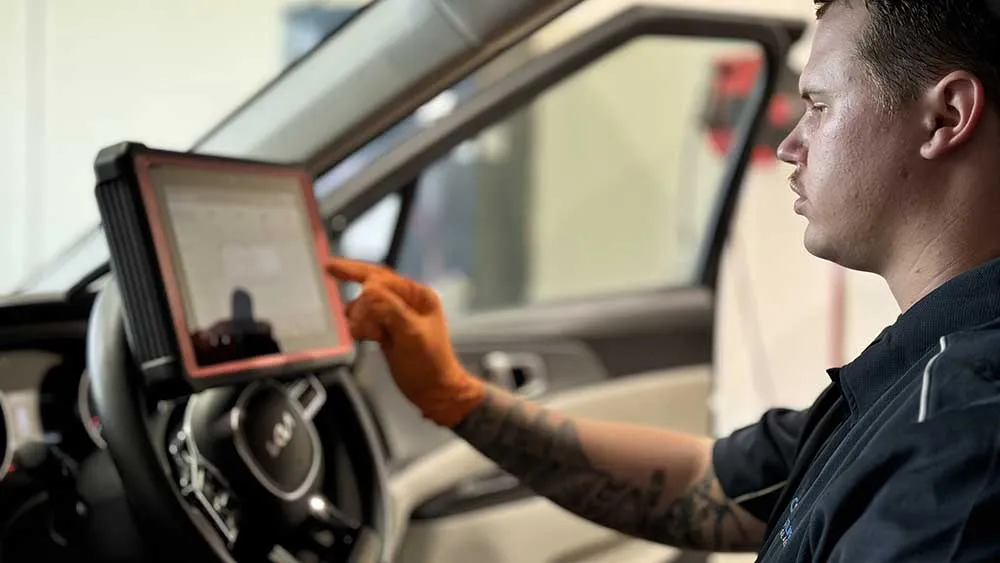
Professional calibration focuses on aligning sensors with exact manufacturer specifications rather than performing temporary fixes. Controlled environments and precision tools allow technicians to measure angles, heights, and distances accurately. Correct alignment ensures features such as collision warnings, blind-spot monitoring, and lane assistance react as designed. Basic resets only clear error messages without addressing underlying misalignment. Maintaining precision in sensor calibration prevents false alerts and delayed system responses, ensuring that all safety functions consistently respond to real-world conditions during everyday driving situations.
Concern Basic Resets
Basic resets only reinitialize the system’s electronic memory without correcting physical sensor placement. This procedure may turn off warning lights but does not confirm that radar or camera units are positioned correctly. Without proper alignment, safety systems can misinterpret distances, lane markings, or obstacles, creating a false sense of security. Drivers may assume the vehicle is fully functional, but a basic reset cannot guarantee reliable system performance. Relying solely on resets can lead to recurring alerts, inconsistent responses, and potential safety risks in critical situations.
Safety Impact
Proper calibration directly affects how a vehicle detects and responds to hazards. Precisely aligned sensors allow automatic braking, lane-keeping assistance, and collision warnings to activate accurately. Misaligned systems may trigger late warnings or unnecessary alerts, increasing accident risk. Professional calibration ensures that each advanced driver assistance feature works as intended, providing drivers with predictable safety responses. Basic resets lack verification of sensor accuracy, which can compromise vehicle performance. Ensuring correct alignment is critical to protecting passengers, reducing accidents, and maintaining confidence in safety systems on all road types.
Technology Compatibility
Modern vehicles use complex software that communicates with multiple sensors simultaneously. Professional calibration ensures accurate data sharing between radar, cameras, and control modules. This synchronization supports seamless operation across all safety systems, including adaptive cruise control and automated lane guidance. Simple resets do not verify system communication or sensor integration, potentially causing technical inconsistencies. Proper calibration confirms that updates, repairs, or component replacements do not interfere with system performance. Maintaining technology compatibility ensures smooth functioning of interconnected features and prevents hidden errors that could affect real-world vehicle safety.
When Calibration Is Required
Professional calibration is necessary after several types of vehicle service or repair:
- Windshield replacement affecting forward-facing cameras
- Suspension or wheel alignment adjustments
- Collision repairs altering sensor angles
- Radar or camera removal and reinstallation
- Warning lights related to driver assistance systems
- Software updates impacting sensor communication
Each situation can disrupt sensor alignment. Calibration ensures accurate system performance after these interventions, restoring the vehicle’s advanced safety features to their designed functionality.
Accuracy in Real Conditions
Calibration involves simulating driving conditions using specialized targets and measured distances to help sensors relearn road references. Controlled environments allow technicians to recreate lanes, vehicles, and obstacles precisely. Basic resets lack this verification, leaving systems dependent on incorrect assumptions about positioning. Accurate calibration allows the vehicle to interpret traffic patterns, lane boundaries, and surrounding vehicles consistently. This precision enhances both safety and comfort, ensuring that automated systems respond appropriately in real driving scenarios, providing drivers with dependable support when navigating complex traffic environments.
Long-Term Reliability
Professional calibration delivers lasting results because it addresses root alignment issues rather than masking symptoms. Correctly positioned sensors reduce unnecessary alerts and system errors over time, preventing repeated service visits. Drivers experience smoother system performance and fewer unexpected warnings. In contrast, basic resets can result in recurring errors because physical misalignment remains unresolved. Proper calibration under controlled conditions enhances long-term system reliability, ensuring that advanced driver assistance features operate consistently throughout the vehicle’s lifetime, increasing overall driving safety and reducing potential repair costs.
Cost Versus Value
Professional calibration may appear more expensive than a basic reset, but it provides significant long-term value. Proper alignment prevents repeated diagnostic procedures and system malfunctions, reducing future repair expenses. A reset might seem economical initially, but recurring errors often lead to additional service visits and higher overall costs. Investing in professional calibration ensures consistent system performance, minimizes long-term maintenance needs, and avoids hidden repair costs. Accurate calibration delivers both safety and financial benefits, making it a practical choice for vehicle owners seeking reliable operation of advanced driver assistance systems.
Driver Confidence
Drivers feel more secure when safety systems perform accurately. Professional calibration guarantees that warnings, lane guidance, and automatic interventions operate precisely as intended. This reliability builds trust in vehicle technology, allowing drivers to focus on the road without distraction or hesitation. In contrast, systems relying solely on resets cannot provide dependable performance, which may undermine confidence and increase stress during driving. Calibration ensures predictable system behavior, helping drivers navigate challenging conditions with peace of mind and improved decision-making.
Compliance With Standards
Manufacturers define calibration procedures to meet strict safety and operational guidelines. Professional technicians follow these specifications using approved tools and methods, ensuring vehicles remain compliant with original design requirements. Basic resets cannot confirm adherence to manufacturer standards, which may affect system performance and diagnostic accuracy. Maintaining compliance protects vehicle integrity and ensures safety features function as intended. Professional calibration demonstrates adherence to recommended protocols, supporting both legal compliance and technical reliability for advanced driver assistance systems.
Impact on Resale Value
Expertly calibrated vehicles demonstrate proper maintenance of safety systems, increasing buyer confidence. Accurate service records show that ADAS features function correctly, which positively affects resale value. Buyers often view vehicles with only basic resets as potentially unreliable or under-maintained. Proper calibration signals attention to technical care and adherence to manufacturer guidelines. This level of verification can improve market appeal, ensuring that advanced safety systems operate correctly and preserving the vehicle’s long-term value.
Adaptation to Modern Driving
As vehicles adopt more autonomous features, precise sensor alignment becomes increasingly critical. Professional calibration prepares systems to handle complex traffic situations and evolving technologies. Proper alignment ensures smooth operation of adaptive features and supports safe integration with automated driving functions. Basic resets cannot accommodate advanced system requirements or complex sensor interactions. Detailed calibration future-proofs vehicles, allowing them to operate efficiently with modern safety technologies and providing drivers with confidence in increasingly automated environments.
Conclusion
Professional calibration restores accurate sensor alignment, verifies system communication, and ensures real-world performance for advanced safety features. Basic resets only clear error codes without correcting underlying misalignment. Expert calibration enhances safety, reliability, and long-term vehicle value, providing consistent performance across all driving conditions. Choosing professional ADAS calibration is essential for dependable system function, improved driver confidence, and compliance with manufacturer standards. Proper calibration is a practical investment that safeguards both vehicle technology and occupant safety.
FAQs
1. Can professional calibration improve emergency braking accuracy?
Yes, it ensures sensors detect obstacles at the correct distance, activating braking systems reliably.
2. Is a basic reset enough after a windshield replacement?
No, forward-facing camera calibration is required to restore lane detection and collision alerts.
3. How long does ADAS calibration typically take?
Most calibrations complete within a few hours, including verification of all safety functions.
4. Does wheel alignment or suspension work require sensor recalibration?
Yes, changes in vehicle geometry affect sensor angles and require professional adjustment.
5. Does proper calibration affect resale value?
Yes, service records showing professional calibration improve buyer confidence in system reliability.