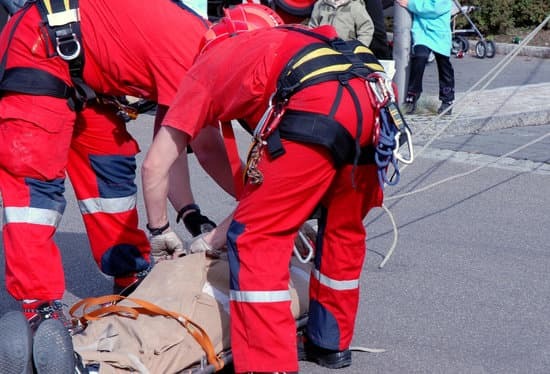
Construction accidents remain one of the biggest safety challenges on job sites across the United States. Every day, workers face risks from heights, heavy equipment, electricity, and constantly changing site conditions. Falls, struck-by incidents, electrocutions, and caught-in accidents continue to cause serious injuries and fatalities. Many construction accidents happen due to poor planning, lack of training, rushed schedules, or ignored safety rules.
The good news is that most incidents are preventable with the right controls, awareness, and leadership. Understanding why construction accidents happen helps contractors, supervisors, and workers reduce risks, protect lives, and keep projects running smoothly without unnecessary delays.
Why Construction Accidents Are So Common on Job Sites
Construction sites change daily. New crews arrive. Equipment moves. Hazards shift. These constant changes increase the chance of construction accidents, especially when safety planning does not keep pace. Rushed schedules and labor shortages add pressure.
Many incidents happen because risks feel normal. Workers adjust to danger instead of controlling it. Without clear communication, training, and inspections, small hazards stack up and turn into serious injuries.
Falls From Heights: The Leading Cause of Construction Accidents
Falls cause more deaths than any other construction hazard. Workers fall from roofs, scaffolds, ladders, and open edges. Missing guardrails, poor harness use, and unstable surfaces increase risk.
Fall protection saves lives when used correctly. Harnesses, anchor points, and covers must match the task. Planning work at height before starting reduces exposure and prevents repeat incidents.
Struck-By Accidents and Falling Objects on Construction Sites
Struck-by incidents happen when workers get hit by falling tools, flying debris, or moving equipment. Poor housekeeping and unsecured materials often play a role. Limited visibility around machinery makes the danger worse.
Clear walkways and exclusion zones reduce risk. Hard hats, debris nets, and tool lanyards protect workers below overhead tasks. Good communication keeps crews aware of active danger zones.
Electrocutions and Electrical Hazards in Construction
Electrical hazards remain a serious cause of construction accidents. Contact with overhead power lines, damaged cords, and live circuits creates deadly risk. Wet conditions increase exposure during routine tasks.
Lockout and tagout procedures prevent accidental energizing. Ground-fault circuit interrupters protect temporary wiring. Workers should inspect tools daily and maintain safe distances from power lines.
Source: https://www.osha.gov/electrical
Caught-In or Between Accidents and Trench Collapses
Caught-in accidents occur when workers get crushed or trapped by equipment or materials. Trench collapses remain one of the most dangerous examples. Soil can fail without warning.
Protective systems save lives. Trench boxes, shoring, and sloping reduce collapse risk. Competent persons must inspect excavations daily and after weather changes.
Heavy Equipment and Machinery-Related Construction Accidents
Large machines create blind spots and fast-moving hazards. Excavators, forklifts, cranes, and trucks cause severe injuries when communication fails. Untrained operators increase the danger.
Spotters improve visibility and awareness. Clear traffic plans separate people from equipment. Routine maintenance prevents mechanical failure that can trigger serious incidents.
Ladder and Scaffolding Accidents on Construction Sites
Ladders and scaffolds seem simple but cause many injuries. Improper setup, overloading, and damaged parts lead to falls. Workers often rush these tasks. Completing an OSHA 10 online course helps workers recognize ladder and scaffolding hazards and apply proper setup, inspection, and safety practices on site.
Inspections before use prevent failures. Proper angles, stable bases, and guardrails improve safety. Training ensures workers choose the right access equipment for each task.
Human Factors That Contribute to Construction Accidents
People play a major role in construction accidents. Fatigue, distraction, and complacency reduce awareness. Workers under pressure take shortcuts without realizing the risk.
Clear leadership changes behavior. Consistent supervision and daily safety talks reset focus. When crews feel supported, they speak up about hazards instead of ignoring them.
Core Safety Practices That Prevent Construction Accidents
Strong safety systems reduce incidents across all job types. These practices work together and reinforce each other. They focus on prevention instead of reaction.
| Core Practice | Safety Impact |
| Job-specific training | Improves hazard recognition |
| PPE use | Reduces injury severity |
| Site inspections | Finds risks early |
| Clear communication | Prevents confusion |
| OSHA compliance | Maintains legal protection |
How Preventing Construction Accidents Improves Productivity and Saves Lives
Preventing construction accidents protects workers and schedules. Fewer injuries mean less downtime, fewer claims, and better morale. Crews work with confidence when safety feels real.
Safe sites perform better. Projects stay on track. Trust grows between workers and management. Prevention saves lives and strengthens long-term business success.
Final Thoughts
Construction accidents are not random events. They follow patterns that you can control. With planning, training, and commitment, prevention becomes part of daily work. Every safe decision sends someone home unharmed.
FAQ
- What are the most common construction accidents?
Falls, struck-by incidents, electrocutions, and caught-in or between accidents are the most common. - What is the leading cause of death in construction accidents?
Falls from heights are the leading cause of fatal construction accidents in the U.S. - How can construction accidents be prevented?
Through proper training, PPE use, site inspections, and following OSHA safety standards. - Who is responsible for preventing construction accidents?
Employers, supervisors, and workers all share responsibility for job site safety. - How often do construction accidents occur?
Construction has one of the highest injury and fatality rates among U.S. industries.