Parenting today looks very different from previous generations. Families are more mobile, living spaces are often smaller, and outdoor time is increasingly intentional. As a result, parents are choosing versatile products that support both safety and development without adding clutter. One item gaining significant attention is the portable infant play mat.
Once considered a simple accessory, the portable play mat has evolved into a practical tool that helps families create safe and flexible play environments wherever they go.
The Shift Toward Flexible Parenting Solutions
Modern families value adaptability. Whether spending time at home, visiting relatives, traveling, or enjoying the outdoors, parents seek products that work across multiple environments.
A portable play mat supports this lifestyle by offering a clean and cushioned surface that can be used in living rooms, parks, beaches, patios, and hotel rooms. Instead of relying on fixed play areas, parents can instantly create a designated play zone almost anywhere.
This flexibility aligns with the broader parenting trend of mobility and convenience without compromising safety.
Safety and Hygiene in Shared Spaces
One of the main reasons portable infant play mats are becoming essential is the added layer of hygiene and protection they provide.
Public spaces, outdoor surfaces, and even indoor floors may not always be ideal for infants who are crawling, rolling, or lying down. A dedicated mat creates a barrier between the child and the ground, helping reduce direct contact with dust, sand, grass, or hard flooring.
In addition to cleanliness, cushioning is a key safety benefit. Infants learning to sit, crawl, or stand often fall during early development. A padded surface helps absorb minor impacts and creates a softer landing compared to tile or hardwood floors.
Supporting Early Development Milestones
Early childhood development is closely linked to floor-based play. Activities such as tummy time, crawling, rolling, and reaching are foundational to motor skill growth.
A portable infant play mat provides a stable and comfortable surface that encourages:
-
Tummy time for neck and shoulder strength
-
Crawling practice for coordination
-
Sensory exploration
-
Independent movement
-
Hand-eye coordination
By creating a consistent play environment, parents can support these developmental milestones both at home and on the go.
As developmental awareness increases among parents, products that facilitate safe movement are gaining priority.
Encouraging Screen-Free Engagement
Another reason for the growing popularity of portable play mats is the focus on reducing screen time. Modern parents are increasingly aware of the importance of physical and sensory play in early childhood.
A defined play surface naturally encourages floor-based activities such as stacking toys, reading board books, or engaging in sensory play. It visually signals a “play zone,” helping children associate the space with hands-on engagement rather than passive screen use.
This subtle structure can help families establish healthy routines around active play.
Space-Saving and Minimalist Living
Urban living and smaller homes have influenced purchasing decisions for many families. Large, stationary play equipment may not be practical for compact spaces.
A portable play mat offers a simple solution. It can be folded, rolled, or stored easily when not in use. This allows families to maintain organized living spaces while still supporting their child’s developmental needs.
Minimalist parenting trends emphasize thoughtful purchases that serve multiple purposes. Because a portable play mat can be used indoors, outdoors, and while traveling, it aligns well with this intentional approach.
Travel and On-the-Go Convenience
Traveling with infants requires careful planning. Parents often need familiar items to help children feel comfortable in new environments.
A portable infant play mat provides a recognizable surface that can ease transitions when staying in hotels, visiting friends, or attending gatherings. Having a clean, defined area for play can reduce stress for both parents and children.
The lightweight and foldable design of most portable mats makes them easy to pack in diaper bags or travel luggage, further enhancing their practicality.
Outdoor Adaptability
Outdoor time is increasingly viewed as essential for child development. Fresh air, natural light, and sensory exploration contribute to emotional and physical growth.
However, outdoor surfaces are not always suitable for infants. Grass, sand, or uneven terrain may be uncomfortable for extended floor play.
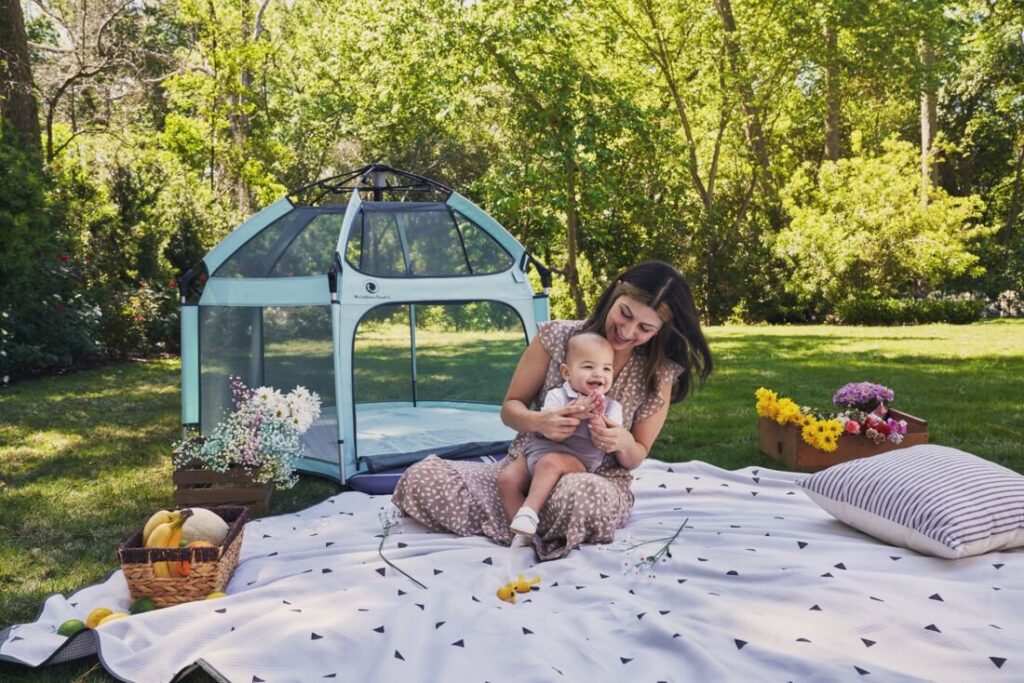
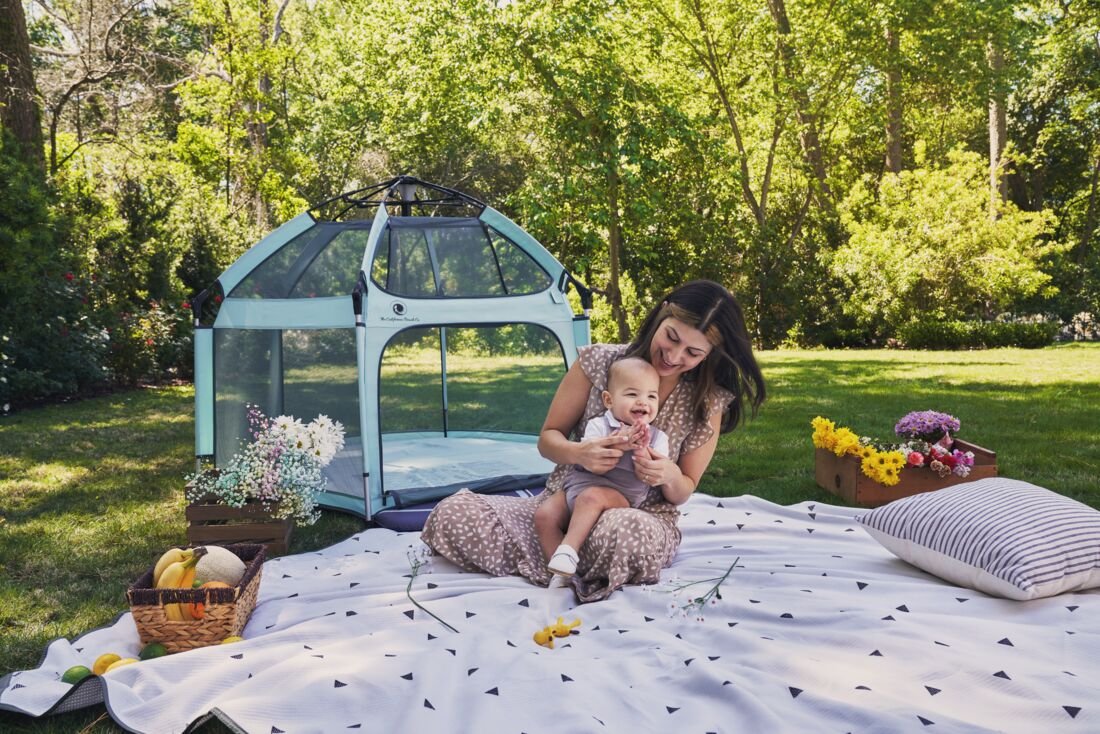
A portable play mat allows families to enjoy parks, beaches, and backyards while maintaining a comfortable play surface. This adaptability encourages more frequent outdoor experiences without sacrificing convenience.
Creating Consistent Play Boundaries
Young children thrive on routine and familiarity. A designated play surface can help establish consistent boundaries within different environments.
By placing toys on a portable mat, parents create a clear visual cue for where play happens. This subtle structure helps toddlers understand spatial limits and promotes organized play habits over time.
Consistency across locations can make transitions smoother, particularly for children who benefit from predictable environments.
Long-Term Practical Value
Many parents are looking for products that grow with their child. While designed for infants, a portable play mat can also be used by toddlers for reading, puzzles, or quiet play.
Because it serves multiple stages of early childhood, it often remains useful longer than single-purpose baby gear. This extended usability contributes to its increasing popularity among modern families seeking practical investments.
The Growing Importance of Intentional Play Spaces
As parenting priorities evolve, there is greater emphasis on creating safe, adaptable environments that encourage movement and exploration. The portable infant play mat fits naturally into this shift.
It supports development, enhances hygiene, simplifies travel, and adapts to both indoor and outdoor settings. Rather than being a luxury item, it has become a practical tool for families navigating modern lifestyles.
With increased awareness around early childhood development and flexible living, portable play mats are likely to remain a staple in family routines.
Frequently Asked Questions (FAQs)
1. At what age can a baby use a portable infant play mat?
Most portable infant play mats can be used from birth for supervised tummy time and continue to be useful through toddler years for active and quiet play.
2. Can a portable play mat be used outdoors?
Yes, portable play mats are commonly used in parks, beaches, and backyards. They provide a clean and cushioned surface over grass, sand, or other uneven ground.
3. Are portable infant play mats safe for daily use?
When placed on stable surfaces and used under supervision, portable infant play mats are safe for daily activities such as tummy time, crawling, and play.
4. How do portable play mats support child development?
They encourage floor-based play, which strengthens muscles, improves coordination, and supports sensory exploration—key components of early development.