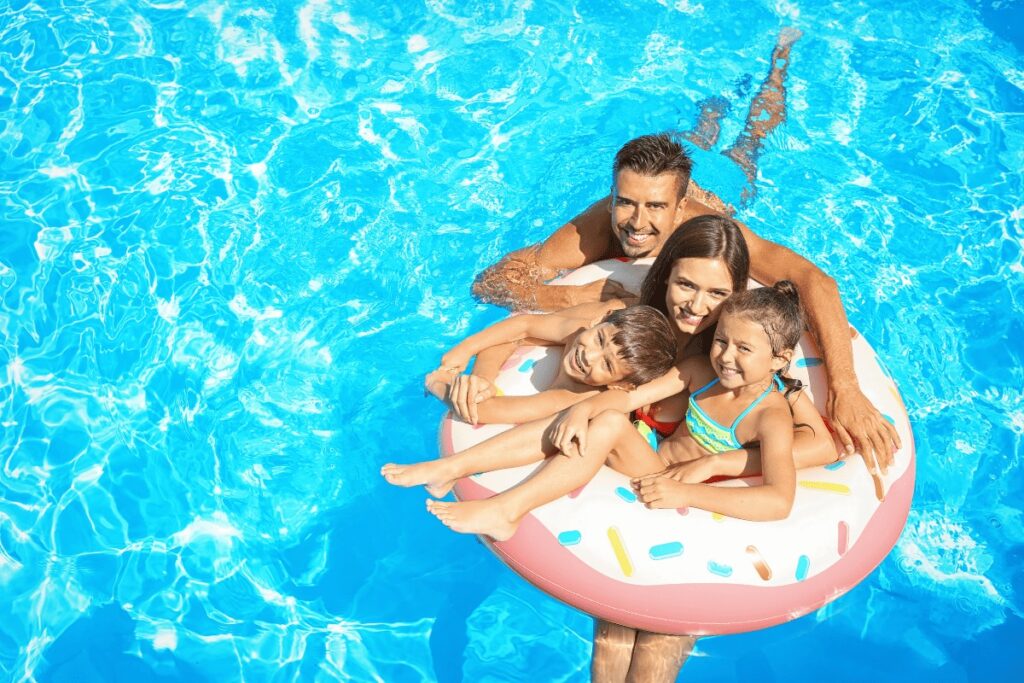

Country club and HOA pools are more than recreational amenities—they serve as vital gathering spaces that reflect the community’s overall quality, standards, and atmosphere. Whether used for family relaxation, fitness, or social events, these aquatic areas must comply with strict local and state health regulations. Managing compliance while maintaining a welcoming, high-end environment requires professional oversight, trained personnel, and consistent operational routines.
This is where expert country club pool service and HOA pool service providers play a crucial role. These companies specialize in balancing regulatory requirements with member expectations, ensuring a safe and seamless experience for all users.
Understanding Compliance Requirements At Country Club Pools
Every country club pool must comply with detailed regulations governing water quality, equipment safety, staff readiness, and facility conditions. These requirements often include chemical balance standards, inspection schedules, emergency equipment placement, signage visibility, and controlled access points.
A reliable country club pool service understands how to apply these rules without compromising presentation. Safety features must remain visible and accessible, yet thoughtfully placed so they blend into the environment. Compliance becomes part of the pool’s design and daily routine rather than an obvious enforcement layer that distracts from the setting.
The Role Of Trained Staff In Pool Safety And Compliance
Lifeguards and aquatic staff serve as the first line of protection at country club pools. Their training, awareness, and professionalism directly affect both safety outcomes and member comfort. Well-prepared staff recognize risks early, enforce rules calmly, and respond quickly to emergencies.
Country club pool service emphasizes staff preparedness, accountability, and clear expectations. Trained personnel maintain a watchful presence without appearing overbearing. Their role supports compliance by preventing incidents before they occur.
Maintaining Water Quality Without Disrupting The Member Experience
Water clarity, temperature, and cleanliness strongly influence members’ perceptions of the pool. Cloudy water, strong chemical odors, or frequent closures quickly signal operational issues, even when compliance standards are technically met.
Effective country club pool service relies on routine testing, balanced chemical application, and preventive cleaning schedules to keep water within regulatory limits. These processes occur behind the scenes, ensuring members enjoy a clean, comfortable swimming environment without disruption or inconvenience. Consistent water quality reinforces confidence and encourages regular use.
Integrating Safety Equipment Into A Premium Setting
Compliance requires visible safety equipment such as life rings, rescue poles, depth markers, and emergency signage. Poor placement or inconsistent presentation can detract from the pool’s visual appeal and overall ambiance.
A thoughtful country club pool service integrates safety equipment carefully. Items remain accessible and clearly marked, in accordance with the club’s design standards.
Preventive Maintenance That Protects Club Reputation
Mechanical issues often cause unexpected closures and emergency repairs. Pumps, filters, heaters, drains, and circulation systems all require ongoing attention to function safely and efficiently. When equipment fails, member trust can be impacted quickly.
A preventive approach within country club environments focuses on early detection. Routine inspections identify small issues before they escalate into major failures. Preventive maintenance supports compliance, reduces downtime, and preserves the club’s reputation by keeping amenities available during peak usage periods.
HOA Pool Service: Supporting Safety In Residential Communities
In residential neighborhoods, HOA-managed pools are central to community life. These facilities often cater to a wide range of users—from families with young children to senior residents seeking low-impact exercise. As such, they require a tailored approach to safety, staffing, and service.
Professional HOA pool service providers bring structure and consistency to these operations. Services typically include lifeguard staffing, water testing, cleaning, and equipment maintenance. Providers also help HOAs navigate inspections, meet state and local code requirements, and plan preventive maintenance to avoid costly breakdowns.
HOA boards and management companies rely on these services to ensure that pool areas are safe, compliant, and available throughout the swim season. Providers also assist with communicating pool rules to residents and guests, providing signage and enforcement strategies aligned with the community’s expectations.
Conclusion
Compliance, safety, and a refined pool experience can coexist when handled by professionals who understand the unique needs of country clubs and HOAs. Through expert staffing, routine maintenance, discreet enforcement, and thoughtful integration of safety systems, country club and HOA pool service providers help ensure aquatic facilities operate smoothly and meet the highest standards.
Rather than treating compliance as a burden, these services integrate it into daily operations, protecting users, enhancing the user experience, and upholding the reputation of the communities they serve.