What Draws Homeowners to Tarmac in Today’s Market?
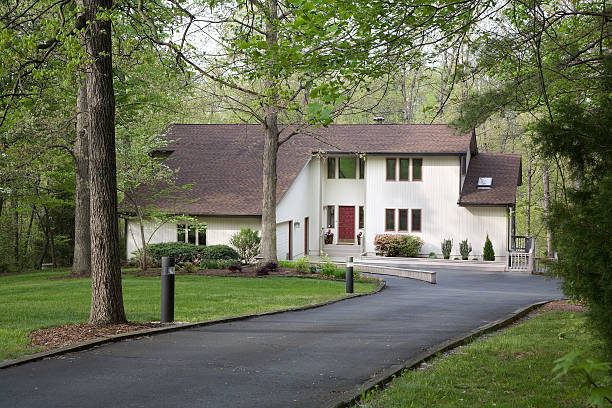
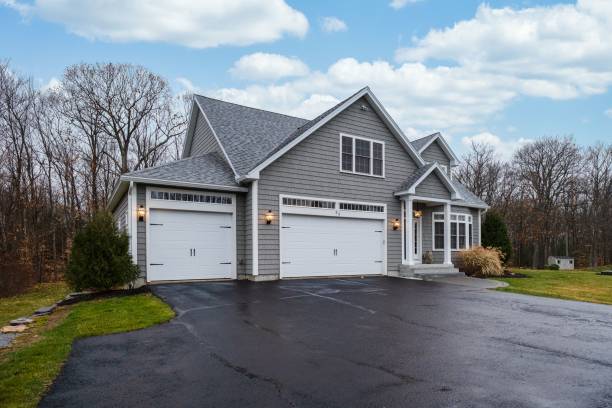
Tarmac holds a steady spot in the driveway world. You see it everywhere because it works. The surface feels familiar under your wheels and blends quietly with most house styles. Modern homes with clean lines suit its smooth dark finish. It does not scream for attention like some fancy block patterns. Instead it offers a calm backdrop that lets your plants and front door take the spotlight.
The material itself has evolved too. Years ago people thought of it as purely functional rough stuff for roads. Today’s mixes include finer aggregates and better binders giving a neater look. For Swansea homeowners wanting something reliable without breaking the bank this option keeps popping up in conversations. It bridges the gap between budget friendly and decent looking. That balance matters when you plan to stay put for a while.
How Does the Installation Process Actually Work?
Putting down tarmac follows a set sequence. First the old surface gets ripped up if there is one. Then diggers carve out the area to the right depth usually around two hundred mil. Hardcore goes in next crushed stone that packs tight. A heavy roller compacts this base until it sits solid as a rock.
The tarmac itself arrives hot from the plant steaming in the truck. Workers spread it fast before it cools. Another roller passes over it smoothing everything flat. Edges get trimmed and neatened by hand. The whole job for a typical drive wraps up in a day or two. That speed appeals to families who cannot handle weeks of disruption. A reliable Tarmac Driveways Swansea crew moves efficiently because they know local ground conditions and weather patterns. They also handle the little details like making sure levels match your garage entrance so water flows away properly.
What Makes This Surface Hold Up So Well Over Time?
Durability comes from how tarmac behaves under stress. It flexes slightly with ground movement instead of cracking like concrete. Frost heave causes less damage because the material gives a little. Heavy vehicles like vans or delivery trucks roll over it without leaving ruts when the base sits right underneath.
The black colour hides minor stains well too. Oil drips from cars blend in rather than standing out. Weeds struggle to push through because the surface forms a solid skin. Moss grows slower than on block paving where dirt collects in joints. With proper installation a tarmac drive serves fifteen to twenty years easily. Some last longer. The key lies in the base preparation which determines everything. A Tarmac Driveways Swansea contractor with good reviews pays attention to that foundation because they know shortcuts lead to callbacks.
How Much Does It Cost Compared to Other Options?
Budget drives most decisions here. Tarmac generally costs less than resin or block paving. You pay for the material the labour and the roller time. No expensive individual blocks to lay. No high end resin binders. The price per square metre usually falls between forty and sixty pounds .
For a standard fifty square metre drive that means roughly two to three thousand pounds. Block paving might run fifty percent higher. Resin costs even more. The savings leave room in your pocket for other home improvements or garden upgrades. Some firms offer discounts for larger areas too because they use the same truck load. Getting quotes from several local providers helps spot fair pricing. Just watch for bids that seem too cheap because they might skip essential prep or use thin layers that fail fast.
Does Tarmac Handle Welsh Weather Well?
Swansea sees its share of rain and damp. Tarmac copes fine with wet conditions. Water beads on the surface and runs off if the fall gradient works right. Standing water rarely becomes an issue on properly laid drives. The dark colour actually helps in winter. It absorbs what weak sunlight appears speeding up snow and ice melt. Deicers and salt cause no harm unlike on concrete which can spall.
Frost does not penetrate easily because the material stays flexible. During summer the surface gets warm but not uncomfortably hot for bare feet. The only weather worry comes from extreme heat softening the top layer slightly. Heavy turning at standstill in scorching sun might leave slight marks but normal driving causes no issues. Local installers understand these climate factors and choose mix recipes suited to the area.
What Maintenance Keeps It Looking Fresh?
Keeping tarmac tidy takes little effort. A stiff broom removes leaves and debris before they rot into the surface. Occasional jet washing lifts embedded dirt and brightens the appearance. Sealing the surface every few years adds protection against oil spills and UV fading. Sealant fills tiny pores and restores that deep black look. Small cracks might appear over time especially near edges.
Filling these early with cold repair compound stops them spreading. Potholes rarely form on well built drives but if they do patch kits fix them quickly. Weed killer applied along edges keeps grass from creeping onto the drive. Compared to gravel washing away or block paving sinking this maintenance feels light. A quality Tarmac Driveways Swansea job means less weekend work for you.
Does It Add Value to Your Property?
Kerb appeal affects selling price. Buyers notice the driveway before they see the kitchen. A fresh smooth tarmac surface signals a well kept home. It suggests the owners looked after things. Unlike gravel which looks temporary or concrete which can feel cold tarmac reads as solid and permanent.
Estate agents often mention good driveway surfaces in listings because they improve first impressions. The cost effectiveness means you recoup much of the investment when selling. For homes in Swansea where parking matters a neat durable drive becomes a selling point. Families with multiple cars value the space. Commuters appreciate the easy maintenance. Putting money into tarmac rarely loses value.
How Long Before You Can Drive on It?
Fresh tarmac needs time to cure. Foot traffic becomes safe after a few hours once the surface cools. Cars should wait at least twenty four hours before parking. Turning the steering wheel while stationary during this period might mark the finish. Heavy vehicles like caravans or motorhomes need a full week ideally.
Installers usually put temporary barriers or cones to remind everyone. Following these waiting periods protects your investment. Rushing leads to tyre indentations that never flatten out. Good contractors explain this clearly and mark restricted areas. They also return if any minor settling happens adjusting levels where needed. That aftercare matters for long term satisfaction.
Conclusion
Tarmac driveways suit modern homes for solid reasons. They cost less than many alternatives. They install fast without dragging out the disruption. They handle traffic and weather without constant repairs. The look stays clean and understated complementing rather than competing with your house.
For Swansea property owners wanting practical value this surface delivers. It offers a smart balance between upfront spend and long term durability. The dark smooth finish frames your home nicely while requiring minimal upkeep. If you need a driveway that works hard and looks decent without emptying your wallet tarmac deserves serious thought.
Frequently Asked Questions
Can you lay tarmac over an existing concrete drive?
Sometimes but it depends on the concrete condition. Cracks or movement underneath transfer through to the new layer. Most pros recommend removing old surfaces and starting fresh for guaranteed results.
Does tarmac fade to grey over time?
Sunlight and weather gradually lighten the surface from jet black to dark grey. Sealing every few years restores the rich colour. Some homeowners prefer the weathered look.
Is tarmac suitable for circular drives with tight turns?
Yes the material handles curves well because installers lay it continuously. No cutting blocks or special shaping needed. Just ensure the base supports turning vehicles without shifting.
How do you fix a small dip or low spot?
Localised patches work for minor issues. For larger areas overlaying with fresh tarmac levels everything out. Catching problems early prevents water pooling which causes bigger damage.
Will tree roots damage tarmac drives?
Roots underneath can lift and crack any surface over time. Installing root barriers during construction helps. Choose trees suited to driveways spacing them safely away from the edge.
Visit newsglo for more informative blogs.