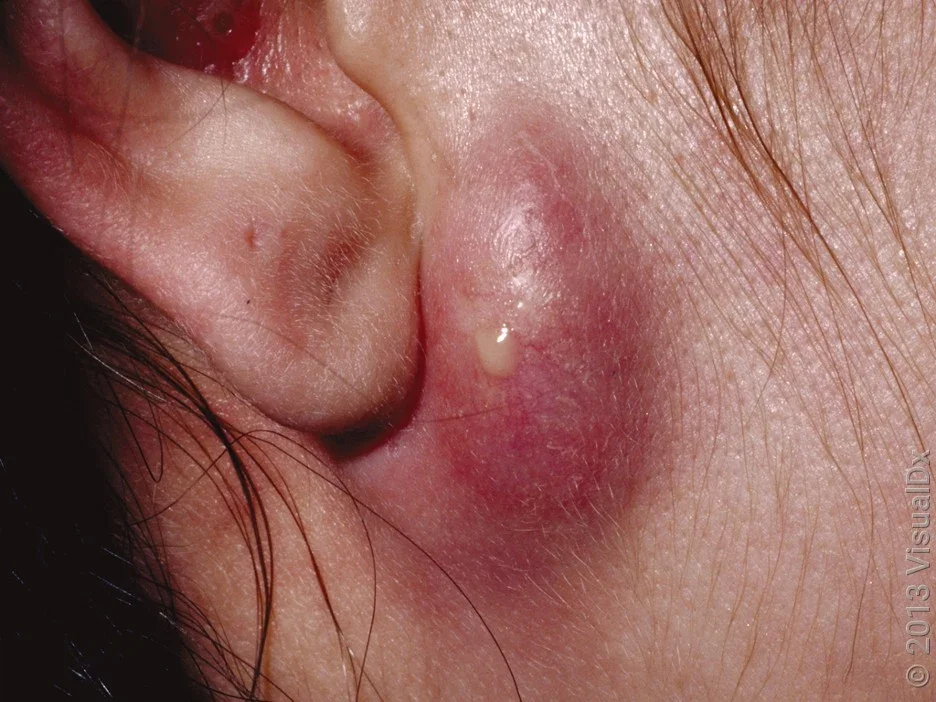
Sebaceous cysts are common, non-cancerous lumps that develop beneath the skin. While they are usually harmless, understanding the symptoms, treatment options, and preventive measures can help you manage and address them effectively.
1. Symptoms of Sebaceous Cysts
Sebaceous cysts (ازالة الكيس الدهني) typically have a few key symptoms that make them easy to identify:
Common Symptoms:
-
Small, Round, Lump: The cyst is usually a small, round bump under the skin, typically about the size of a pea, though it can grow larger.
-
Painless: In most cases, sebaceous cysts are painless unless they become infected or inflamed. The cyst may feel firm or rubbery to the touch.
-
Visible Surface Opening: Some cysts have a small blackhead-like opening at the center where sebum (the oily substance inside the cyst) may eventually drain out.
-
Fluctuating Size: The size of a sebaceous cyst can change over time. It may get larger as it fills with more sebum or shrink if the contents are drained or absorbed by the body.
Signs of Infection:
-
Redness and Swelling: If the cyst becomes infected, it may become red, swollen, and tender to the touch.
-
Pain: Infected cysts can become quite painful as the body tries to fight the infection.
-
Draining Pus or Fluid: An infected cyst may release pus, which can have a foul odor. This is a sign that the cyst is inflamed or ruptured.
-
Warmth: The area around the cyst may feel warm to the touch due to inflammation and infection.
Other Potential Symptoms:
-
Hardness: A cyst that feels very hard or solid may indicate that it’s full of keratin (the substance that typically fills the cyst) and is not infected.
-
Location-Specific Symptoms: Sebaceous cysts commonly appear on the face, neck, back, and shoulders, but they can occur anywhere on the body, including the scalp and genitals.
2. Treatment for Sebaceous Cysts
Most sebaceous cysts don’t require medical treatment unless they become infected, painful, or bothersome. Here are the primary treatment options:
A. Non-Surgical Treatments
-
Warm Compress:
-
Applying a warm compress to the cyst can help reduce inflammation and promote drainage. This is especially useful for small cysts that are not infected.
-
How to do it: Soak a clean cloth in warm water and apply it to the cyst for 10-15 minutes, 2-3 times a day.
-
-
Antibiotics (for Infected Cysts):
-
If the cyst becomes infected, a doctor may prescribe oral antibiotics to treat the infection and reduce inflammation.
-
What it helps with: Antibiotics can help clear the infection, but they don’t remove the cyst. Once the infection is under control, the cyst may still need to be removed if it doesn’t resolve on its own.
-
-
Steroid Injections:
-
Corticosteroid injections may be used to reduce inflammation and shrink the cyst if it’s inflamed but not infected. These may help reduce the appearance of the cyst, though they don’t address the underlying cause.
-
-
Drainage:
-
If the cyst is inflamed and painful, a doctor may drain the cyst by making a small incision to release the built-up sebum. However, draining alone doesn’t remove the cyst wall, so the cyst can recur.
-
When is it used?: This treatment is typically used for cysts that are infected or painful but aren’t suitable for full removal.
-
B. Surgical Treatments
-
Surgical Excision (Complete Removal):
-
What it is: The most effective way to treat a sebaceous cyst is by surgically removing it. This involves making a small incision, draining the cyst contents, and carefully removing the entire cyst wall.
-
Why it works: By removing the entire cyst and its lining, you eliminate the chance of recurrence.
-
Pros:
-
Provides a permanent solution.
-
Minimally invasive, usually done under local anesthesia.
-
-
Cons:
-
Involves some risk of scarring and infection.
-
Requires a doctor or surgeon and may require a follow-up appointment.
-
-
-
Minimal Excision:
-
For smaller cysts, a doctor may opt for a less invasive procedure where only the cyst is excised, without making a large incision.
-
Why it’s chosen: It’s quicker and often results in less scarring. However, it may not guarantee the cyst won’t return if the wall is not fully removed.
-
3. Prevention of Sebaceous Cysts
While you can’t completely prevent sebaceous cysts, there are steps you can take to reduce your risk:
A. Good Skincare Routine:
-
Exfoliate Regularly: Use a gentle exfoliator to help remove dead skin cells that can clog pores and hair follicles. This is especially important for people with oily skin.
-
Cleanse Regularly: Wash your face and body with a mild cleanser to help remove excess oil, dirt, and debris that could clog sebaceous glands.
-
Avoid Squeezing Pimples: Squeezing or picking at pimples can cause damage to hair follicles, increasing the risk of cyst formation. Leave acne alone to heal naturally.
B. Wear Loose-Fitting Clothing:
-
Avoid Friction: Tight clothing, hats, or backpacks can irritate the skin and create blockages in sebaceous glands. Wear loose, breathable clothing to reduce the risk of cysts developing in high-friction areas (e.g., back, neck, groin).
C. Manage Oil Production:
-
Use Non-Comedogenic Products: If you have oily skin, choose oil-free, non-comedogenic (won’t clog pores) skincare and makeup products.
-
Control Hormonal Fluctuations: If you experience sebaceous cysts during hormonal changes (e.g., puberty, pregnancy), you may consider talking to a healthcare provider for hormonal treatments that can help regulate oil production.
D. Treat Acne Early:
-
Since acne can lead to clogged pores and sebaceous cysts, it’s important to treat acne early to prevent further blockages. Over-the-counter products containing salicylic acid or benzoyl peroxide can help keep pores clear.
E. Avoid Skin Injury:
-
Be mindful of injuries to the skin, such as cuts, abrasions, or surgical scars, as these can damage sebaceous glands and lead to cyst formation.
F. Regular Check-Ups:
-
If you’re prone to sebaceous cysts, regular visits to a dermatologist can help catch any issues early. A dermatologist can remove cysts before they cause significant irritation or infection.
When to See a Doctor
You should seek medical attention if:
-
The cyst becomes painful, infected, or swollen.
-
The cyst starts to drain pus or has an unpleasant odor.
-
The cyst grows rapidly or changes in appearance.
-
The cyst is located in a sensitive area (e.g., face, genitals, eyes).
-
You have recurrent cysts and want a permanent solution.
Key Takeaways
-
Symptoms: Sebaceous cysts are typically painless, firm, round lumps, but they can become red, swollen, and painful if infected.
-
Treatments: Non-surgical options like warm compresses and antibiotics may help, but surgical removal is the most effective and permanent way to treat a sebaceous cyst.
-
Prevention: While prevention isn’t always possible, good skincare, managing oil production, and wearing loose clothing can reduce your risk of developing sebaceous cysts.
-
Doctor Visits: If a cyst becomes painful, infected, or changes in appearance, it’s important to seek medical attention.