Platelet-Rich Plasma (PRP) therapy has become a popular option for skin rejuvenation due to its natural approach and regenerative properties. Many individuals are curious about whether PRP treatment in Abu Dhabi is suitable and safe for all skin types. Understanding the safety, compatibility, and adaptability of PRP treatment can help people make informed decisions about incorporating it into their skincare routines.
Understanding PRP Therapy
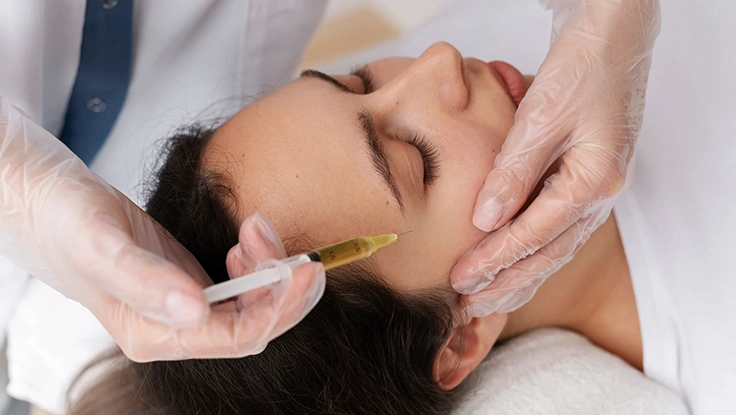
PRP therapy uses a small sample of a patient’s blood, which is processed to concentrate platelets and growth factors. This concentrated solution is then injected or applied to the skin to stimulate tissue repair, collagen production, and cellular regeneration. Unlike treatments that rely on synthetic chemicals, PRP harnesses the body’s natural healing mechanisms, making it appealing to individuals looking for a holistic approach to skin rejuvenation.
The regenerative properties of PRP make it suitable for a wide variety of skin concerns. It is commonly used to improve texture, tone, and elasticity, while also addressing minor skin irregularities, fine lines, and overall skin health.
PRP and Skin Type Compatibility
One of the significant advantages of PRP therapy is its compatibility with all skin types. The treatment does not rely on harsh chemicals or synthetic substances that could trigger irritation or sensitivity. Instead, PRP uses the body’s own platelets, which are naturally recognized and accepted by the immune system.
Different skin types, including oily, dry, sensitive, or combination skin, can benefit from PRP therapy. Because the treatment encourages the skin to regenerate and heal naturally, it is generally adaptable to varying skin conditions and tones. This makes PRP a versatile option for a diverse range of individuals.
Factors That Enhance Safety Across Skin Types
Several factors contribute to the safety of PRP for all skin types. The most important is the use of autologous blood, meaning the patient’s own blood is used. This minimizes the risk of allergic reactions or incompatibility, which can be a concern with topical or synthetic treatments.
The technique and method of application also play a role in safety. PRP can be delivered through micro-injections, topical application with microneedling, or a combination approach depending on the treatment goal. These techniques are carefully adjusted to suit different skin types, ensuring that the therapy is both effective and comfortable.
Additionally, individual skin assessments before treatment help determine the best approach. Evaluating the skin’s texture, elasticity, and condition allows for customization, ensuring that the therapy is tailored to each person’s unique skin profile.
PRP Benefits Across Skin Types
PRP therapy provides benefits that are noticeable regardless of skin type. It improves hydration, promotes a healthy glow, and stimulates collagen and elastin production. These effects enhance the skin’s overall appearance and resilience, making it look smoother, firmer, and more youthful over time.
For sensitive skin, PRP is gentle because it avoids harsh chemicals. For oily or acne-prone skin, PRP helps improve texture and support cellular regeneration without triggering excess oil production. Dry skin can benefit from enhanced hydration and tissue repair, while combination skin may see balanced improvements across different areas.
Factors to Consider for Optimal Safety
While PRP is broadly safe for all skin types, certain considerations help ensure optimal outcomes. Maintaining proper hygiene and using sterile techniques during the procedure prevents contamination. Following pre- and post-treatment care instructions supports the skin’s natural healing process and enhances results.
Individual health and lifestyle factors also play a role. Adequate hydration, proper nutrition, and protection from environmental stressors such as sun exposure support the body’s ability to respond to PRP and maintain healthy skin.
Common Applications for PRP in Skin Rejuvenation
PRP is widely used for facial rejuvenation, including improving the skin’s texture, reducing fine lines, and enhancing radiance. The therapy is also effective for areas such as the neck, hands, and under-eye region, which are prone to aging and minor skin irregularities. These applications demonstrate PRP’s versatility and suitability for different skin types.
Additionally, PRP can be combined with techniques such as microneedling to target specific concerns like acne scars or stretch marks. This combination enhances collagen stimulation while remaining compatible with all skin types.
Timeline of Results for All Skin Types
PRP results are gradual because the therapy relies on natural tissue regeneration. Individuals may notice subtle improvements in skin hydration, tone, and radiance within a few weeks. More significant changes, such as firmer skin, improved elasticity, and smoother texture, generally become apparent after two to four months.
The timeline is consistent across skin types, although individual healing capacity, age, and lifestyle factors can influence the speed of visible results. Periodic maintenance sessions can help sustain improvements and prolong the benefits of PRP therapy.
Frequently Asked Questions (FAQs)
Is PRP safe for sensitive skin?
Yes, PRP is safe for sensitive skin because it uses the patient’s own blood and avoids harsh chemicals, minimizing the risk of irritation.
Can oily or acne-prone skin undergo PRP treatment?
Yes, PRP supports tissue regeneration and improves texture without triggering excess oil production, making it suitable for oily or acne-prone skin.
Does dry skin benefit from PRP?
Absolutely. PRP enhances hydration, stimulates cellular repair, and improves skin resilience, making it effective for dry skin types.
Is PRP effective for combination skin?
Yes, PRP is adaptable to different areas and conditions, providing balanced improvements across oily and dry zones in combination skin.
Are there any restrictions for darker skin tones?
No, PRP is safe and compatible with all skin tones because it uses natural growth factors and the patient’s own blood.
How soon can skin improvements be seen?
Subtle changes in hydration and radiance may appear within a few weeks, with more noticeable improvements in texture and firmness visible after two to four months.
Do skin types affect the number of sessions required?
While skin type does not significantly affect safety, the number of sessions may vary depending on the desired outcome and individual regenerative response.
Can PRP be combined with other skin treatments?
Yes, PRP can be combined with techniques such as microneedling to enhance collagen production and target specific skin concerns, while remaining safe for all skin types.