Global Ultrasound Devices Market Size & Forecast 2026–2034: Non-Invasive Imaging Powers the Next Wave of Growth
The global ultrasound devices market is poised for steady expansion over the coming decade, driven by the growing demand for non-invasive diagnostic imaging, increasing chronic disease prevalence, and rapid technological innovation. According to Renub Research, the market is projected to rise from US$ 9.28 Billion in 2025 to US$ 15.34 Billion by 2034, registering a compound annual growth rate (CAGR) of 5.74% during 2026–2034.
Ultrasound technology has become an indispensable pillar of modern medicine. Its safety profile, affordability, portability, and real-time imaging capabilities make it one of the most widely used diagnostic tools across obstetrics, cardiology, radiology, emergency care, and general imaging.
As healthcare systems worldwide emphasize early diagnosis, preventive screening, and patient safety, ultrasound devices are increasingly positioned at the forefront of medical innovation.
Download Free Sample Report:https://www.renub.com/request-sample-page.php?gturl=ultrasound-device-market-p.php
Global Ultrasound Devices Market Overview
Ultrasound devices use high-frequency sound waves to generate real-time images of internal organs, tissues, and blood flow without exposing patients to ionizing radiation. These systems are widely utilized for:
-
Pregnancy monitoring and fetal assessment
-
Cardiac imaging (echocardiography)
-
Abdominal scans
-
Musculoskeletal imaging
-
Vascular assessments
-
Emergency and trauma diagnostics
The growing preference for radiation-free diagnostic tools has strengthened ultrasound’s role in routine medical evaluations and critical care settings alike.
Technological evolution has further enhanced performance. Modern systems now offer:
-
3D and 4D imaging
-
AI-powered diagnostic support
-
Digital connectivity and cloud integration
-
Portable and handheld configurations
These advancements are making ultrasound technology more accessible and efficient, particularly in resource-limited and remote healthcare environments.
Renub Research Market Size and Forecast
Renub Research estimates consistent market expansion over the forecast period:
-
Market Size (2025): US$ 9.28 Billion
-
Projected Market Size (2034): US$ 15.34 Billion
-
CAGR (2026–2034): 5.74%
The projected growth reflects increased global healthcare investments, aging populations, and rising awareness of preventive diagnostics.
Key Growth Drivers of the Ultrasound Devices Market
1. Increasing Demand for Non-Invasive Diagnostic Imaging
One of the strongest growth drivers is the global shift toward non-invasive diagnostic procedures. Ultrasound enables physicians to examine internal organs without surgical intervention or radiation exposure.
Benefits include:
-
Enhanced patient safety
-
Reduced diagnostic risk
-
Immediate real-time imaging
-
Lower procedural costs compared to CT or MRI
As healthcare providers prioritize patient comfort and safety, ultrasound technology continues to gain widespread adoption.
In December 2025, GE HealthCare highlighted new innovations developed through expanded collaboration with NVIDIA, further enhancing AI-enabled imaging capabilities and workflow efficiency.
The focus on early disease detection and preventive care ensures sustained demand for ultrasound imaging worldwide.
2. Technological Advancements and Portable Device Expansion
Rapid technological progress has transformed the ultrasound landscape. Innovations in imaging resolution, AI-based diagnostics, and data integration have improved diagnostic accuracy and operational efficiency.
Notable advancements include:
-
3D and 4D imaging technologies
-
AI-assisted clinical decision tools
-
Compact and handheld ultrasound devices
-
Cloud-enabled data sharing
Portable ultrasound devices are particularly significant in point-of-care settings, where immediate diagnosis is critical.
In June 2025, Royal Philips introduced the Flash Ultrasound System 5100 POC, a point-of-care solution designed for anesthesia, emergency medicine, critical care, and musculoskeletal imaging.
Portable systems enhance accessibility, especially in rural regions, ambulatory care centers, and field hospitals.
3. Rising Chronic Disease Burden and Aging Population
The increasing prevalence of chronic diseases—such as cardiovascular disorders, cancer, and kidney disease—is significantly boosting demand for diagnostic imaging.
Ultrasound devices play a critical role in:
-
Detecting heart abnormalities
-
Monitoring tumor growth
-
Evaluating organ function
-
Guiding biopsies and procedures
Additionally, the global aging population is contributing to higher diagnostic imaging volumes. By 2030, one in six people globally will be aged 60 or older. By 2050, the population aged 60+ is expected to reach 2.1 billion, while those aged 80+ will nearly triple to 426 million.
An aging demographic increases the need for routine check-ups, cardiovascular monitoring, and chronic disease management—all areas where ultrasound systems are heavily utilized.
Market Challenges
High Cost of Advanced Ultrasound Systems
Although ultrasound is relatively cost-effective compared to MRI and CT, advanced systems with 3D/4D imaging, AI integration, and high-resolution displays remain expensive.
Financial challenges include:
-
High procurement costs
-
Maintenance expenses
-
Software upgrades
-
Training investments
Budget constraints in developing regions may delay adoption of next-generation ultrasound technologies.
Shortage of Skilled Professionals
Ultrasound imaging requires trained sonographers and radiologists capable of accurately interpreting results. In many developing regions, shortages of skilled professionals limit effective device utilization.
Improper image interpretation can result in misdiagnosis, underscoring the need for continuous education and certification programs.
Training and workforce development remain critical to unlocking the full potential of advanced ultrasound technologies.
Segment Analysis
Diagnostic Ultrasound Devices Market
Diagnostic ultrasound systems dominate market share due to their widespread application across medical specialties.
These systems provide real-time imaging for:
-
Tumor detection
-
Liver and kidney disorders
-
Pregnancy complications
-
Cardiovascular assessments
Growing awareness of preventive healthcare and early detection supports continued expansion in this segment.
Trolley/Cart-Based Ultrasound Devices Market
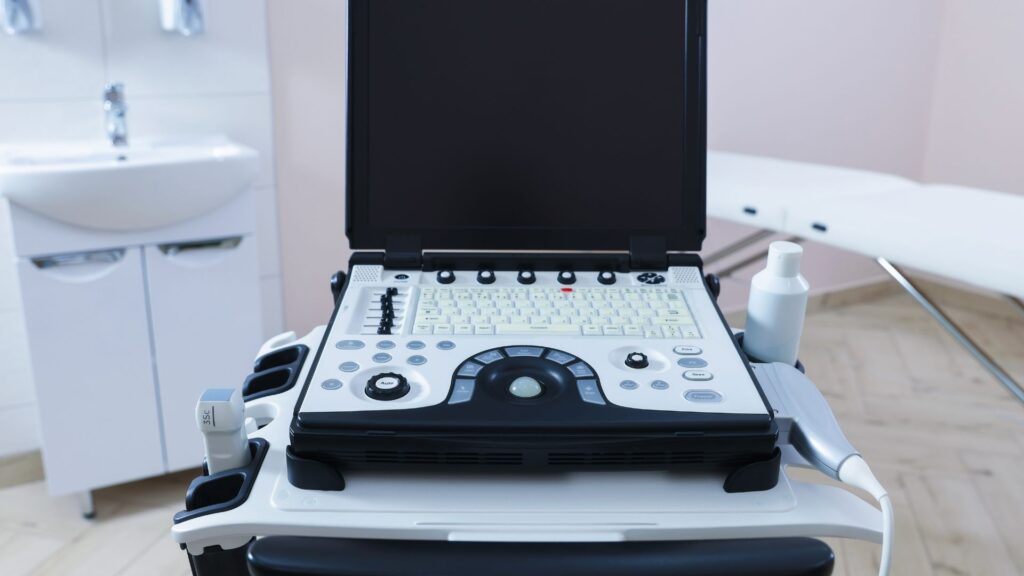
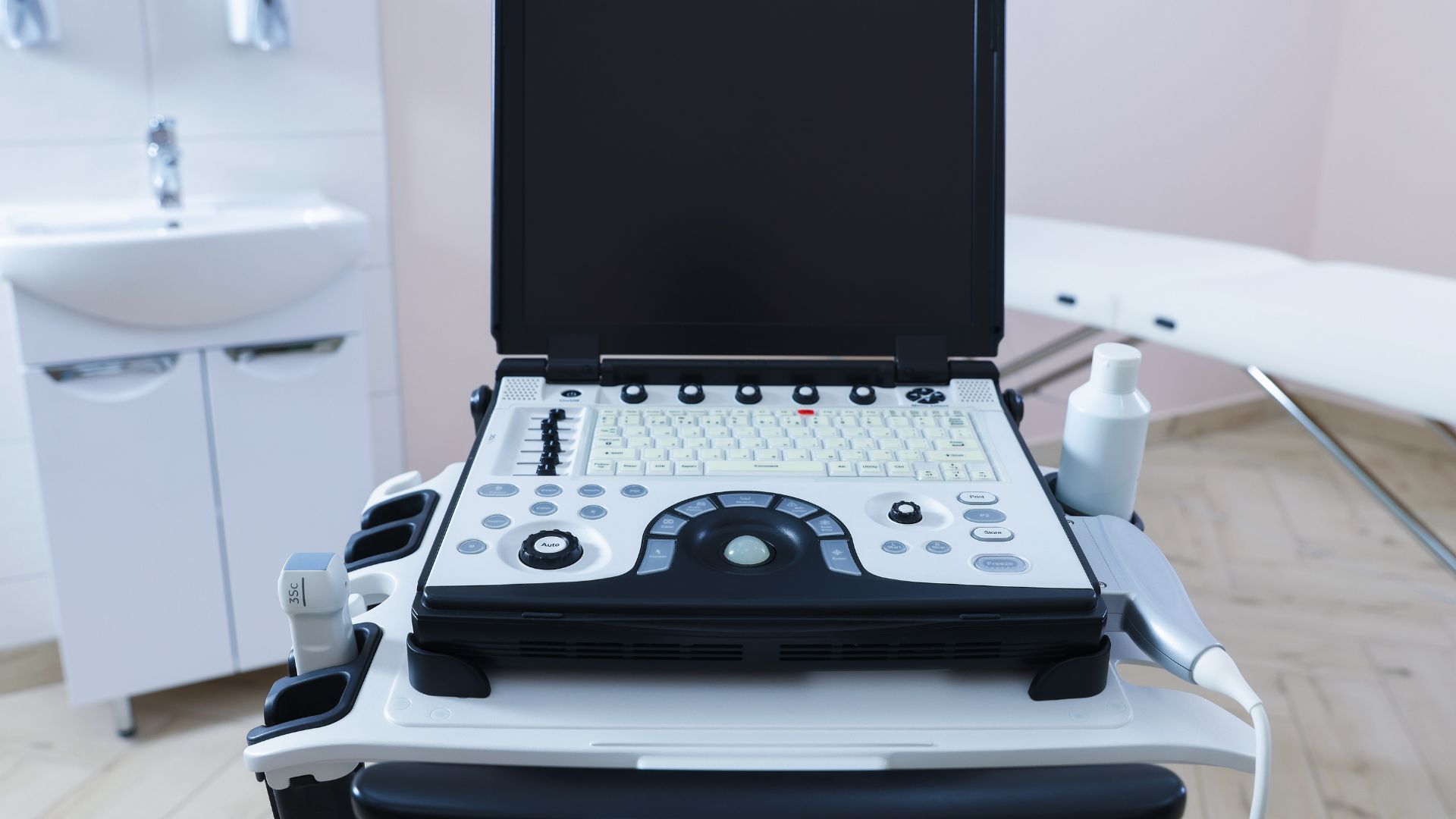
Cart-based systems remain essential in hospitals and advanced healthcare facilities due to superior imaging quality, larger displays, and advanced software capabilities.
These devices are ideal for:
-
High-volume hospital settings
-
Complex diagnostic procedures
-
Specialized imaging applications
Hospital expansion and demand for high-performance diagnostic systems support steady segment growth.
Cardiology Ultrasound Devices Market
Cardiology ultrasound systems, or echocardiography devices, are vital for diagnosing heart valve disorders, heart failure, and blood flow irregularities.
With cardiovascular disease among the leading global causes of mortality, demand for early and accurate cardiac imaging continues to grow.
Real-time imaging and AI-supported diagnostics improve treatment planning and patient outcomes.
Color Ultrasound Devices Market
Color Doppler ultrasound devices enhance visualization of blood flow and vascular movement.
These systems are widely used in:
-
Cardiology
-
Vascular imaging
-
Obstetrics
Improved image clarity and real-time blood flow assessment strengthen clinical decision-making, boosting adoption.
Hospitals as Leading End Users
Hospitals represent the largest end-user segment due to their comprehensive healthcare infrastructure and patient volumes.
Ultrasound devices are routinely used for:
-
Emergency diagnostics
-
Obstetric monitoring
-
Cardiac evaluations
-
Abdominal and organ assessments
Healthcare investments and technology upgrades further accelerate adoption in hospital settings.
Regional Market Insights
United States
The United States remains one of the largest ultrasound markets globally, supported by advanced healthcare infrastructure and high diagnostic imaging adoption rates.
In January 2025, Samsung Medison launched the Samsung Z20 AI-powered ultrasound system in the U.S., targeting advanced OB/GYN applications.
Strong innovation pipelines and healthcare spending sustain growth momentum.
United Kingdom
The United Kingdom’s ultrasound market benefits from NHS accessibility and preventive healthcare initiatives.
In January 2026, the JC200 High Intensity Focused Ultrasound system was installed at Churchill Hospital, expanding advanced treatment capabilities.
India
India’s ultrasound market is expanding rapidly due to healthcare infrastructure development and increasing diagnostic awareness.
Government initiatives and growth in diagnostic centers support adoption of portable and cost-effective ultrasound systems.
Saudi Arabia
Saudi Arabia is witnessing rising ultrasound demand due to healthcare modernization efforts and increasing chronic disease incidence.
Philips introduced the Compact 5000 Series portable ultrasound system in 2023, expanding access to high-quality imaging in mobile and remote settings.
Competitive Landscape
Leading players in the global ultrasound devices market include:
-
GE Healthcare
-
Siemens Healthcare
-
Philips
-
Canon Inc.
-
Fujifilm Holdings Corporation
-
Samsung Medison Co. Ltd.
-
Hitachi Ltd.
These companies compete through innovation, AI integration, geographic expansion, and product diversification.
Report Highlights
-
Base Year: 2024
-
Historical Period: 2020–2024
-
Forecast Period: 2025–2033
-
Market Units: US$ Billion
-
Customization Scope: 20% Free Customization
-
Post-Sale Analyst Support: 1 Year
The report covers product type, portability, application, display type, end-user segments, and 25 country-level viewpoints.
Future Outlook: Precision, Portability, and Preventive Care
The future of the ultrasound devices market lies in intelligent imaging systems, portability, and improved accessibility. AI-driven diagnostics, handheld devices, and cloud connectivity will further transform patient care.
As healthcare systems worldwide emphasize early detection and non-invasive procedures, ultrasound devices are positioned for sustained long-term growth.
Final Thoughts
The global ultrasound devices market is projected to reach US$ 15.34 Billion by 2034, growing at a 5.74% CAGR. Increasing demand for non-invasive diagnostics, technological innovation, aging populations, and expanding healthcare infrastructure collectively support this upward trajectory.
Despite cost and workforce challenges, ongoing advancements in AI, portability, and imaging precision ensure that ultrasound technology remains a cornerstone of global diagnostic medicine in the decade ahead.