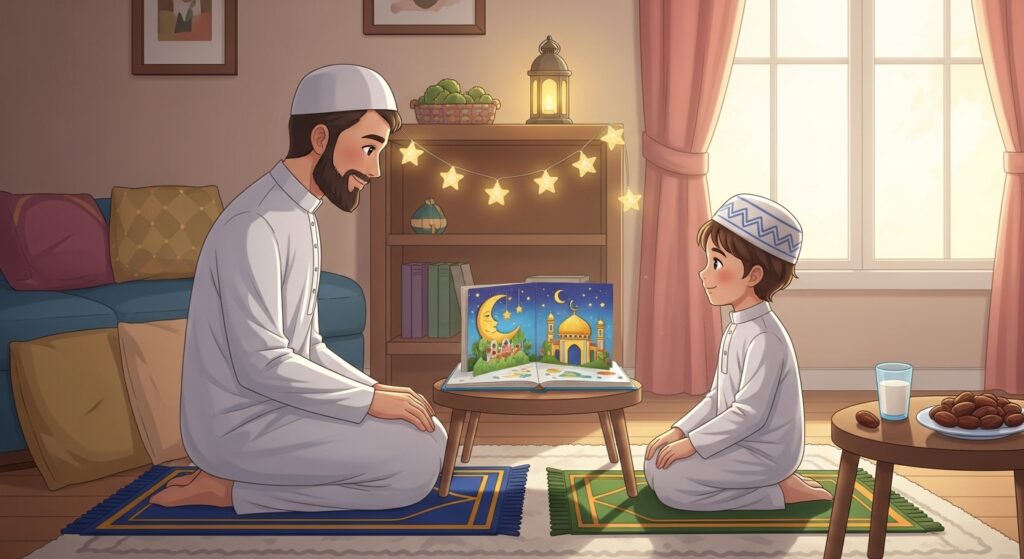
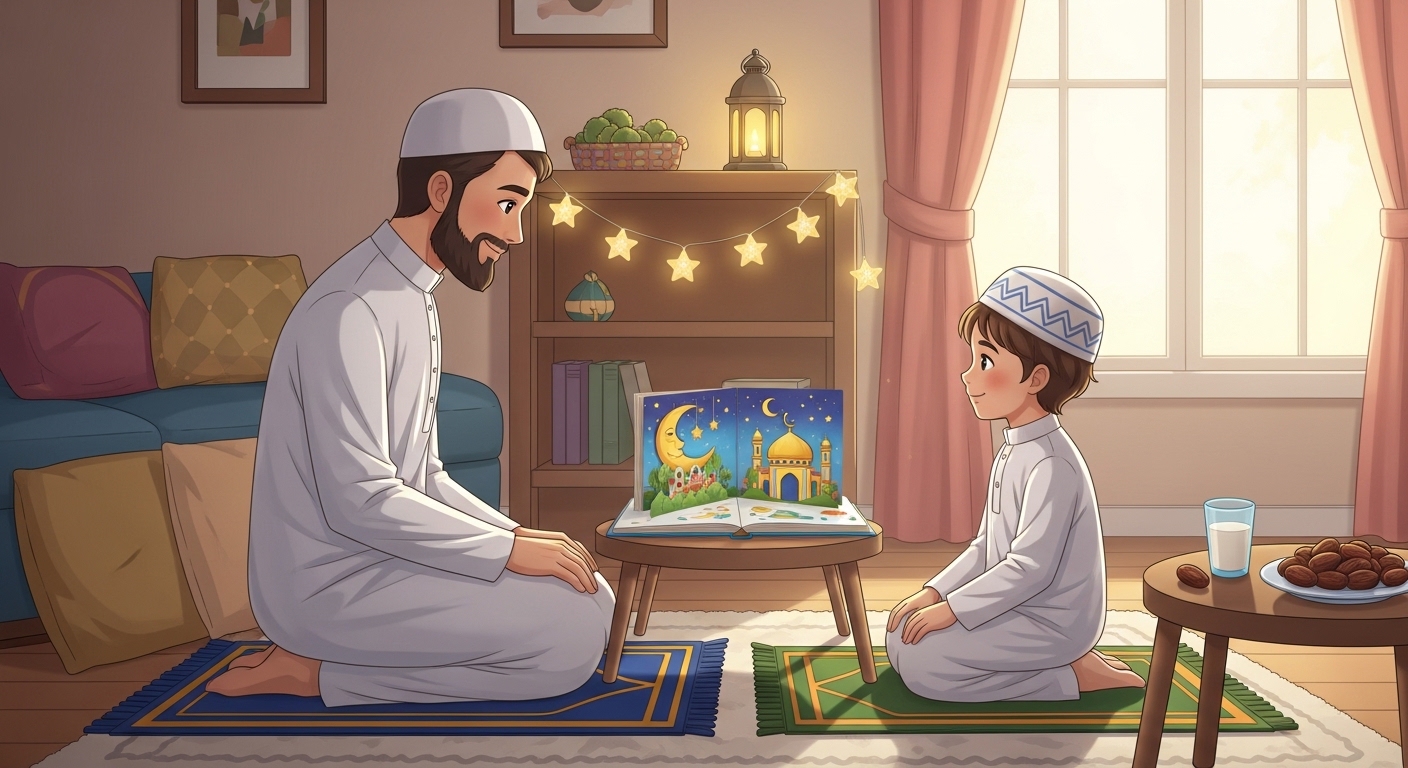
Ramzan is a deeply spiritual and joyful month for Muslims around the world. It is a time of reflection, gratitude, generosity, and strengthening one’s connection with faith. For adults, the significance of fasting, prayer, and charity is well understood. However, for young children, the concepts behind Ramzan can feel abstract or difficult to grasp. This is why parents play a vital role in shaping how children experience this blessed month. By making Ramzan engaging, educational, and enjoyable, parents can help children develop a lifelong love and appreciation for its values. Incorporating activities that help children learn Quran for kids in simple and interactive ways can further deepen their understanding and connection with the spiritual essence of Ramzan.
Creating meaningful Ramzan experiences for children does not mean expecting them to fast fully or follow strict routines. Instead, it involves introducing the spirit of the month in ways that are fun, age-appropriate, and inspiring. With thoughtful planning and creativity, parents can turn Ramzan into a time their children eagerly anticipate every year, especially when learning moments such as stories, duas, and Quran recitation are presented in ways designed to teach the Quran to kids comfortably and joyfully.
Helping Children Understand the Meaning of Ramzan
Before involving children in activities, it is important to explain why Ramzan is observed. Young minds are naturally curious, and simple explanations help them connect emotionally with the month.
Parents can explain that Ramzan is a special time when Muslims:
- Thank Allah for blessings
- Help people in need
- Practice patience and kindness
- Strengthen their faith
Using simple language and relatable examples makes these ideas easier to understand. Instead of lengthy lectures, short conversations during daily routines like mealtime or bedtime can be more effective.
Introducing Fasting in a Gentle Way
Young children are not required to fast, but many feel excited to participate like older family members. Parents can encourage this enthusiasm without putting pressure on them.
Some gentle approaches include:
- Half-day fasting: Let children fast for a few hours.
- Practice fasts: Choose one or two days for them to try.
- Symbolic fasting: Encourage them to avoid snacks or sweets for part of the day.
These small steps make children feel included while keeping the experience positive and safe. Praise and encouragement are essential so they associate fasting with achievement rather than hardship.
Creating a Ramzan Routine for Kids
Children thrive on structure, and a simple Ramzan routine can help them feel involved. A routine does not need to be strict, it just needs to give them a sense of participation.
A child-friendly Ramzan routine might include:
- Waking up briefly for suhoor once or twice a week
- Helping set the iftar table
- Joining family dua time
- Participating in a short prayer
Making Iftar Time Exciting
Iftar is often the most exciting part of the day for children. Parents can turn it into a joyful family event that children look forward to.
Ideas to make iftar special:
- Let children help prepare simple dishes
- Assign them small tasks like placing dates on plates
- Create a countdown before adhan
- Allow them to choose one dish for the table
Making Iftar a Joyful Family Experience
Iftar is often the highlight of the day for children because it brings the whole family together. Parents can make this moment even more special by involving children in preparation. Allowing them to place dates on plates, arrange napkins, or help with simple dishes gives them a sense of responsibility and pride. When children contribute to the meal, they learn gratitude for food and appreciation for family gatherings. The atmosphere at iftar should feel warm and celebratory so that children associate the end of the fast with happiness and togetherness.
Encouraging Learning Through Creative Activities
Hands-on activities are one of the most effective ways to teach young minds. Crafts such as making crescent moons, decorating lanterns, or creating Ramzan countdown calendars help children visualize the month’s significance. These creative projects keep them engaged while reinforcing what they are learning. Artistic activities also allow children to express their excitement and feel personally connected to the celebration. When learning is combined with play, lessons become memorable and enjoyable.
Teaching Good Deeds and Kind Behavior
Ramzan is the perfect time to nurture positive character traits. Parents can encourage good behavior by introducing simple reward systems that recognize acts of kindness. When children are praised for sharing, helping, or speaking politely, they begin to understand the importance of good deeds. The goal is not material rewards but positive reinforcement that builds confidence. Over time, these habits become part of their natural behavior, and they start practicing kindness without being reminded.
Teaching Generosity and Charity
One of the most important lessons of Ramzan is caring for others. Teaching children about charity at an early age helps nurture empathy and compassion.
Ways to involve children in charitable acts:
- Let them donate a portion of their savings
- Encourage them to select toys or clothes to give away
- Help prepare food packages for those in need
Encouraging Spiritual Connection
Spiritual habits should be introduced gently so children feel comfort rather than pressure. Teaching short duas, listening to soft recitations, or praying together briefly can help children become familiar with acts of worship. The focus should be on consistency rather than perfection. When these practices are presented as peaceful and loving moments, children begin to associate spirituality with calmness and security. This emotional connection often stays with them into adulthood.

Creating a Festive Ramzan Atmosphere at Home
Decorating the home can make Ramzan feel special and memorable for children. Simple decorations such as lights, banners, and paper stars can transform the environment and build excitement. Allowing children to help decorate gives them a sense of ownership and anticipation. A festive atmosphere signals that this month is unique and worth celebrating. Visual reminders around the home also reinforce their awareness of Ramzan’s importance.
Limiting Distractions and Promoting Meaningful Time
While entertainment is enjoyable, too much screen time can distract children from meaningful experiences. Parents can gently replace excessive digital use with activities that encourage creativity and connection. Reading together, coloring, taking walks before iftar, or sharing stories can keep children engaged in a healthy way. These alternatives not only reduce screen dependence but also strengthen family bonds, which is one of the most beautiful aspects of Ramzan.
Establishing Family Traditions
Traditions create lasting memories that children carry throughout their lives. Simple family traditions such as weekend iftar gatherings, storytelling nights, or preparing a favorite dish together can make Ramzan unforgettable. These rituals give children something to look forward to each year and create a strong emotional attachment to the month. As they grow older, these memories often inspire them to continue the same traditions with their own families.
Teaching Patience and Gratitude
Ramzan is an ideal time to teach life values such as patience, gratitude, and empathy. Parents can use everyday moments as teaching opportunities.
For example:
- When a child feels hungry, explain how fasting teaches patience.
- When eating iftar, remind them to be grateful for food.
- When giving charity, explain how it helps others.
Preparing Children for Eid Through Ramzan Efforts
Excitement for Eid can be used as positive motivation. Parents can connect Eid celebrations with children’s good deeds and efforts during Ramzan. By showing that Eid is a joyful reward after a month of kindness and patience, children learn that celebrations are tied to values. Preparing Eid cards, planning outfits, or counting down the days can build anticipation while keeping the focus on gratitude and accomplishment.
Supporting Different Age Groups
Not all children learn the same way. Activities should match their age and personality.
Toddlers:
Focus on visuals, songs, and simple words.
Preschoolers:
Introduce short duas and easy crafts.
School-age children:
Encourage participation in fasting practice, charity, and prayer.
Keeping the Experience Joyful and Pressure-Free
Perhaps the most important principle is to keep Ramzan joyful for children. Strict expectations or pressure can create negative feelings that last for years. Encouragement, patience, and praise make a far greater impact than criticism. When children feel supported and appreciated, they naturally become more enthusiastic about participating. A gentle approach ensures that their memories of Ramzan are filled with warmth rather than stress.
The Long-Term Impact of a Positive Ramzan Experience
When children experience Ramzan as a time of happiness, learning, and togetherness, they develop a strong emotional connection with their faith. These early memories shape their attitudes toward worship, generosity, and family values as they grow older.
Children who grow up with meaningful Ramzan traditions are more likely to:
- Practice kindness naturally
- Value charity
- Appreciate family time
- Maintain spiritual habits
Final Thought
Making Ramzan meaningful and fun for young children is about balance—combining spiritual lessons with joy, discipline with encouragement, and tradition with creativity. By involving children in simple activities, teaching values through stories, and celebrating small achievements, parents can transform Ramzan into a month filled with excitement and learning. Including moments where kids can learn Quran for kids through short verses, interactive lessons, or gentle recitation practice can further enrich their understanding and strengthen their connection to the month’s spiritual essence.
Rather than focusing on strict rules, the goal should be to nurture love for the month and its message. When children associate Ramzan with warmth, kindness, and happiness, they carry those feelings into adulthood. With patience, creativity, and positive guidance, parents can ensure that Ramzan becomes one of the most cherished times of the year for their children, a season of faith, family, and unforgettable memories.